EXPLAINING THE STRUGGLE FOR HUMAN RIGHTS IN RUSSIA |
|
|
Hello there, Dissident Digest readers! |
I’m Inna, taking over for Dan this week to dive into a new troubling trend in Russia: the weaponization of passports. And with the shocking 16-year sentence handed to Evan Gershkovich, I’ll look into the ongoing crackdown on both foreign nationals and journalists in Russia. At the end, you’ll find some of my top picks from Evan’s powerful articles. |
|
|
Trigger warning:
This is a newsletter about Russian repressions. Sometimes it will be hard to read. |
|
|
Donate to OVD-Info to keep us running |
|
|
Instrumentalizing passports |
|
|
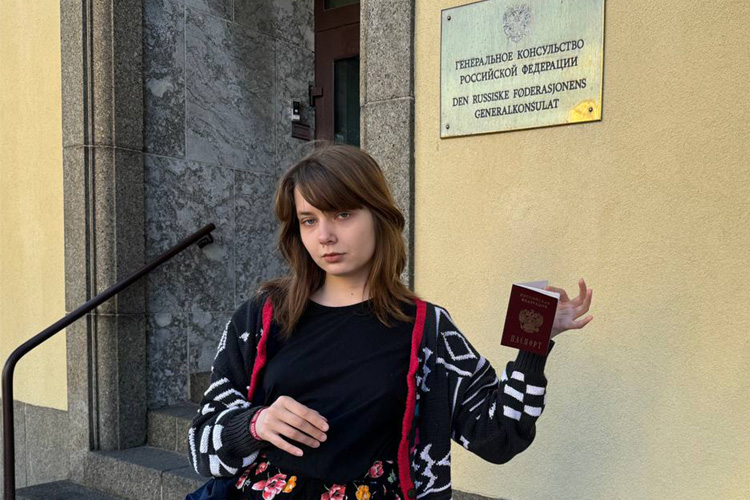
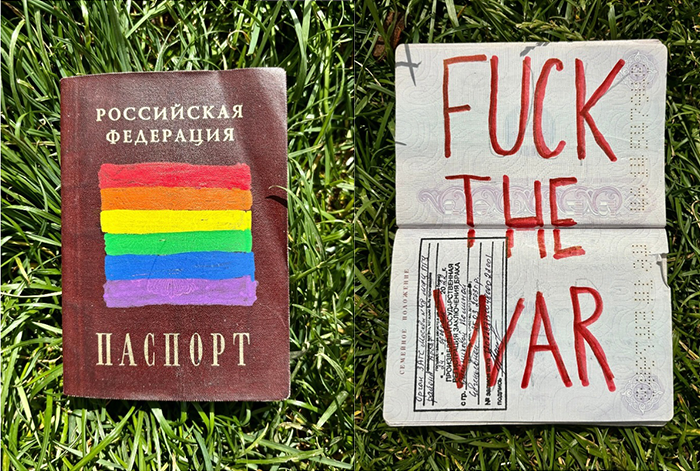
Last week, three exiled Russian activists — Daniil Chebykin, Richard King, and Olesya Krivtsova — reported that their internal passports were annulled. Later, even more people discovered that their documents are no longer valid. While the reasons remain murky, these people now face a serious legal hurdle: they have to return to Russia since an internal passport can only be issued inside the country. What’s the catch? For most Russians living abroad, going back and applying for a new passport is not a threat, but for anti-war activists like Olesya Krivtsova it most likely means detention — due to a pending criminal case opened against her for ‘discrediting’ the Russian army and justification of terrorism. Despite her uncertainty about While next steps, she remarks, “My passport was annulled! But I’m not worried because I didn’t have any rights before anyway. What worries me is that the crazy state of ’R’ is coming up with more and more twisted ways to pressure those who have left.”
|
|
|
Olesya Krivtsova with her internal passport in front of the Russian сonsulate in Kirkenes, Norway / Photo: Georgy Chentemirov, Olesya Krivtsova’s Telegram channel |
|
|
Denying passports has become a tool to control Russians abroad. Russian citizens have two types of passports: internal (analogous to an ID) and international. An internal passport can only be issued within Russia. An international passport, on the other hand, can be amended or renewed at any Russian embassy or consulate. However, the Kremlin has also weaponized it since this passport is essential for Russians abroad not only for travel but also for voting and handling government fees.
|
|
|
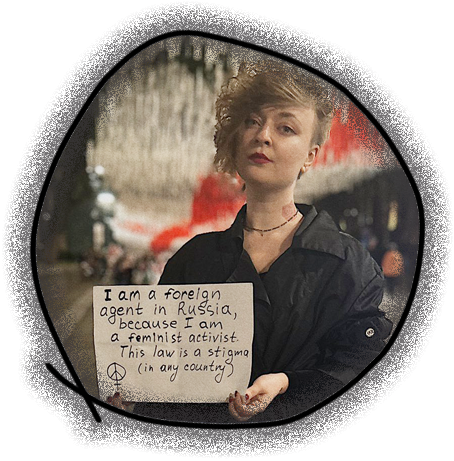
Last week Daria Serenko, a writer and a feminist anti-war activist, reported that the Russian consulate in Georgia refused to renew her international passport, citing criminal charges against her in Russia. If someone is denied a passport at a consulate, they must return to Russia to apply for it. This measure is often used to silence dissent abroad, ensuring that critics do not have a “voice” even after “exit.” |
| Daria Serenko protesting “foreign agent” law in Georgia, May 2024 / Photo: Daria Serenko’s Twitter |
|
|
In general, weaponizing passports, including deprivation of nationality as the most extreme measure, is not new. Globally, it is often tied to counter-terrorism measures or security-based deprivation targeting most dangerous criminals. But in modern Russia, "disloyalty“—as defined by the government—is the new excuse for revoking citizenship. Take Arshak Makichyan, a Russian-Armenian climate and anti-war activist. In 2022, his citizenship was revoked along with that of his father and brothers, under dubious claims. The stated reason was “deliberately false information” submitted by the Makichyan family in their 2004 citizenship application.
|
|
|
Arshak Makichyan’s Russian internal passport that he put on auction after it was annulled / Photo: Arshak Makichyan’s Twitter |
|
|
Yet, instrumentalization of passports, including movement control, does not affect just dissident voices. Recently, President Vladimir Putin decreed that Russian MPs need permission to leave the country. While it’s common for governments to restrict travel for individuals with high security clearances, Russia’s travel restrictions seem to have become excessively stringent. And it’s not just government officials under control.
|
|
|
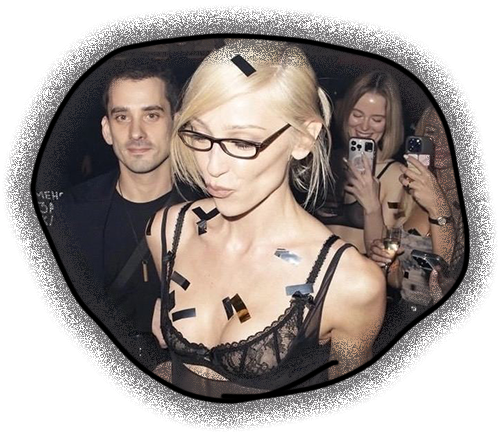
Take Anastasia Ivleeva, a famous Russian blogger who organized the notorious ‘almost naked party’ and then tried to make amends with countless apologies and an alleged trip to the Donbass region, was also banned from leaving Russia. Previously staying out of politics like many famous Russian influencers, she suddenly became an ardent supporter of Putin. However, the regime clearly did not forgive Anastasia for her misstep. |
| Anastasia Ivleeva at the “almost naked party”, December 2023 / Photo: Anastasia Ivleeva’s Instagram |
|
|
Controlling movement and weaponizing passports have become new authoritarian measures aimed not only at suppressing dissident voices but also at actors embedded in the regime. It signals that mistakes are not tolerated and loyalty is paramount. Disloyalty in any form will be punished, now by violating even the most basic human right a state can provide—the right to citizenship. Russia isn’t breaking new ground here; the Kremlin is following the lead of its authoritarian neighbor, Belarus. Since the 2020 protests, Lukashenko has been using passports as a weapon against the opposition, banning Belarusians from getting new passports or renewing and exchanging old ones at diplomatic missions abroad.
|
|
|
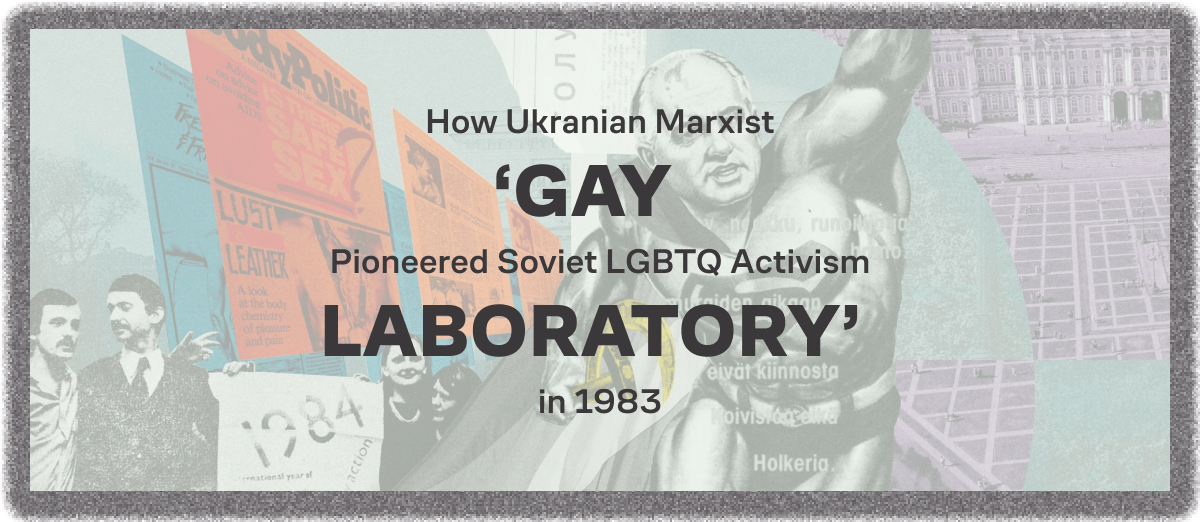
This is the story of the first organisation in the USSR that fought for the rights of queer people. It was founded by Ukrainian polyglot Oleksandr Zaremba. He called himself a “Soviet patriot” and opposed the homophobic rhetoric of American reactionaries. |
|
|
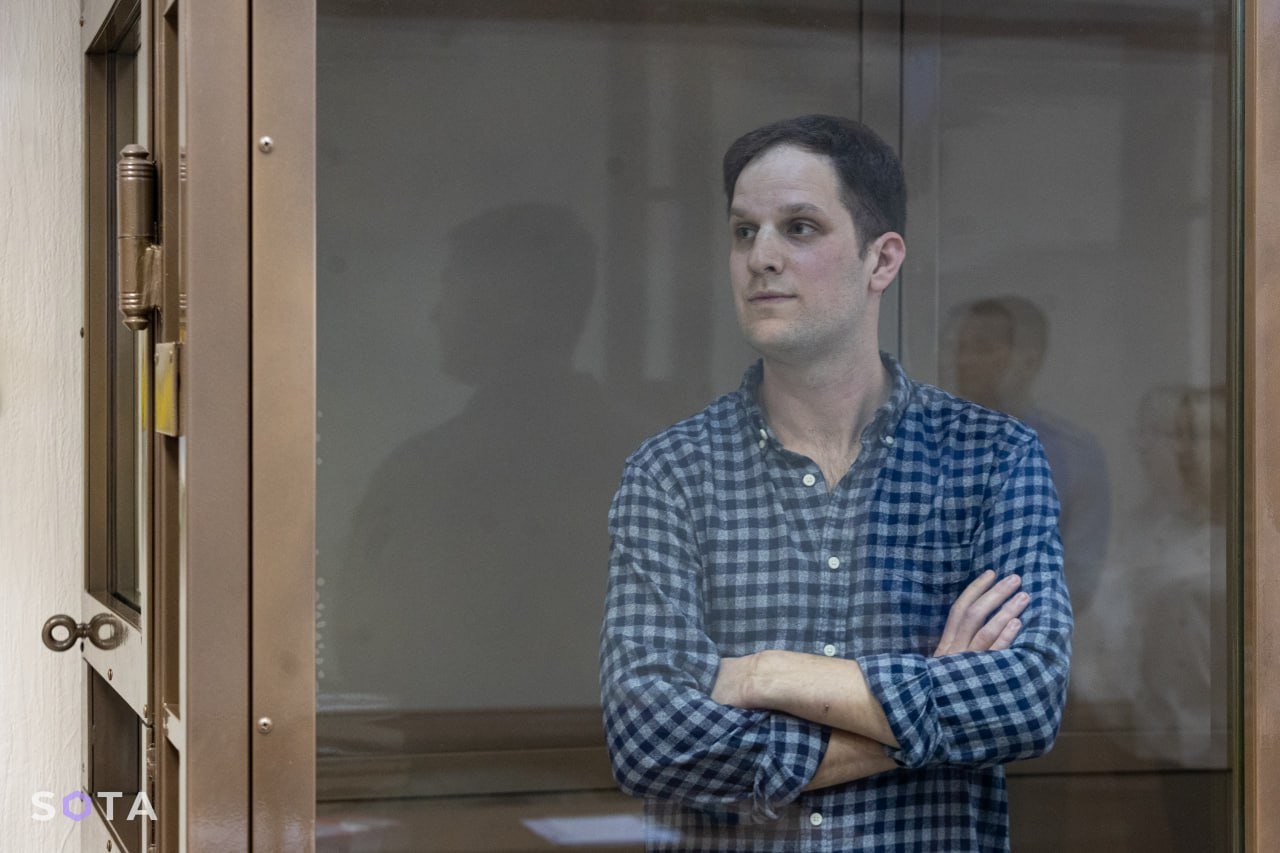
On 19 July American journalist Evan Gershkovich was sentenced to 16 years in prison. What crime has Evan committed? Spying for the CIA, they say. This is the first time an American journalist has faced such charges since 1986. |
|
|
Ewan Gershkovich in court, April 2023 / Photo: SOTA |
| |
Evan Gershkovich, son of Soviet Jewish immigrants, was born and raised in the US. Before joining the Wall Street Journal, he worked for the Moscow Times and Agence France-Presse, covering Russia and the post-Soviet region with passion and expertise. His colleagues and friends vouch for his dedication and deep knowledge of the region. |
In March 2023, Evan was detained in Ekaterinburg while writing an article about Russians’ views on the war in Ukraine. The Russian government claims he shared sensitive military information with the CIA. But we have reason to believe that he’s being prosecuted for doing his job and, arguably, for being a foreigner as highlighted by Joe Biden after Evan’s arrest.
|
This case spotlights two troubling trends:
First, the prosecution of journalists. This isn’t new: Russian journalists have long faced assassination, prosecution, and imprisonment. But recently, these cases have multiplied, and sentences have become much harsher for independent journalists inside and outside Russia. Their charges? Discrediting the Russian army, spreading “fake news,” defamation, and alleged extremism. Why does the Russian government target journalists? Despite state TV’s powerful propaganda, many Russians are turning to independent sources of information like Telegram and YouTube (the latter is expected to be banned in Russia soon).
|
|
|
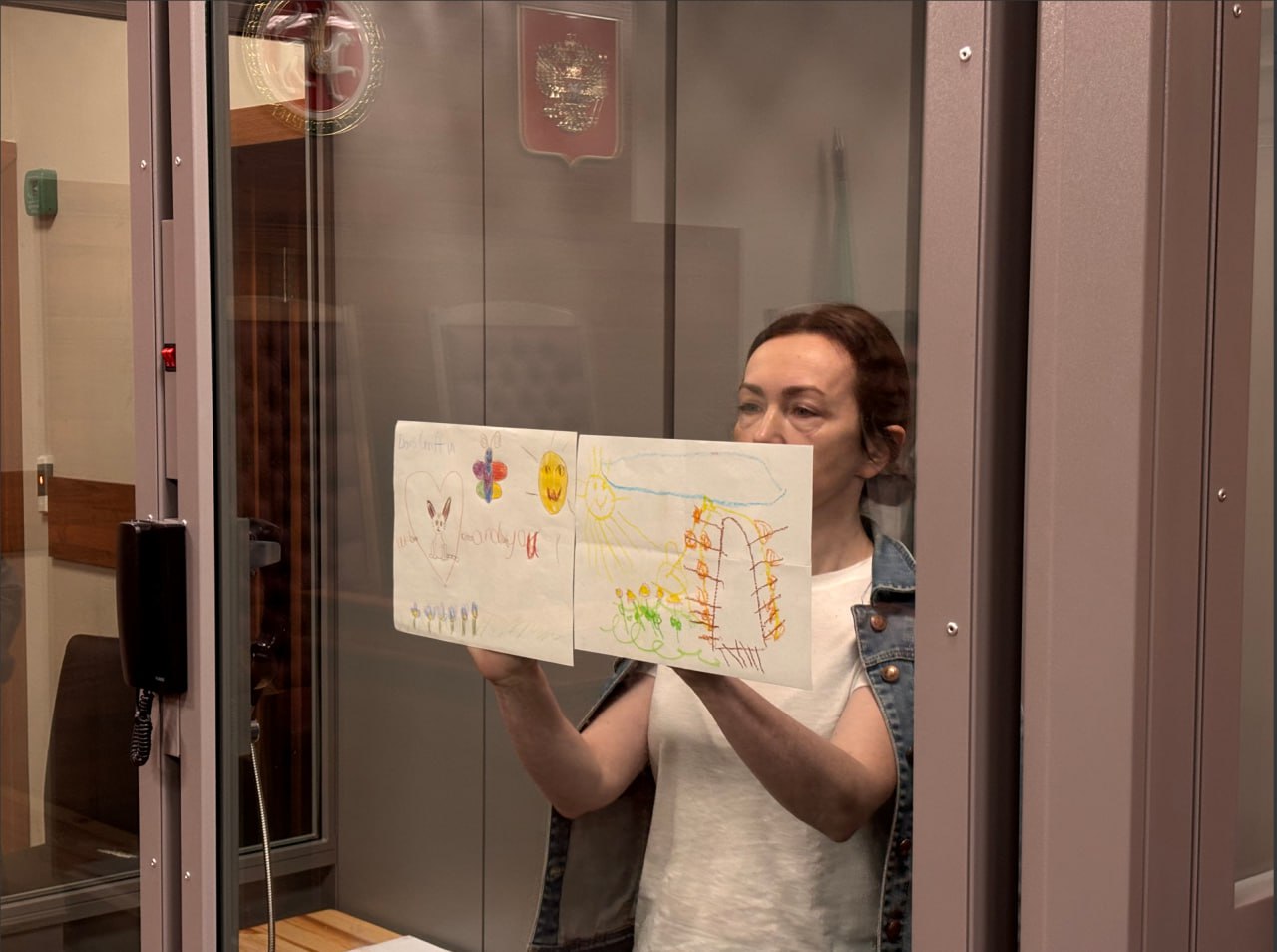
Alsu Kurmasheva, editor of the Tatar-Bashkir service of Radio Liberty, shows in court the children’s drawings sent to her in letters of support / Photo: SOTA
|
|
|
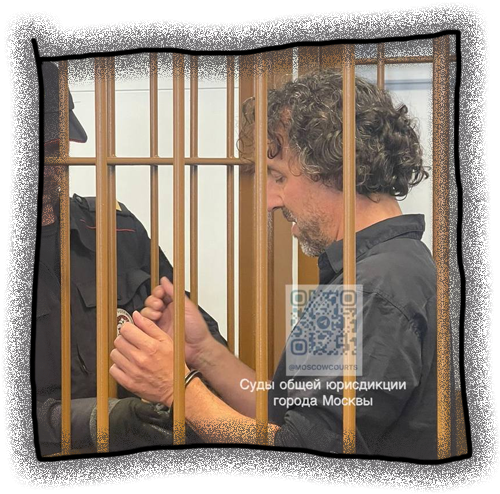
Second, the prosecution of foreign citizens is becoming increasingly common. Take Paul Whelan, accused of spying, French journalist, Laurent Vinatier, detained for collecting military-strategic intelligence, or Alsu Kurmasheva, the Russian-American journalist currently imprisoned for spreading ‘fakes’ about the Russian army. |
|
|
Why are they targeted? Apart from showing “unfriendly” nations the Kremlin’s power over their citizens, it’s also a way to facilitate prisoner swaps. Last year, WNBA star Brittney Griner, convicted of smuggling and possessing cannabis, was exchanged for convicted arms dealer Viktor Bout. |
| Laurent Vinatier in court, June 2024 / Photo: Moscow city courts press service |
|
|
Now, there’s talk of swapping Evan Gershkovich for Vadim Krasikov, accused of assassinating a Chechen field commander in Germany. Putin hinted at this in an interview with Tucker Carlson. This potential swap highlights the Russian state’s priorities as opposed to Western ones: freeing loyal convicted criminals—killers and arms dealers—in exchange for a journalist or a basketball player. |
|
|
Please answer our questionnaire so we can better understand our audience! | |
|
Sources cited in the reading list are not necessarily aligned or in a formal partnership with us. It is just what the editor finds interesting. |
|
|
The Digest is created by OVD-Info, written by Inna Bondarenko; edited by Dr Lauren McCarthy |
OVD-Info English newsletter privacy policy: how we work with your data |
|
|
|