EXPLAINING THE STRUGGLE FOR HUMAN RIGHTS IN RUSSIA |
|
|
|
|
|
Trigger warning:
This is a newsletter about Russian repressions. Sometimes it will be hard to read. |
Hello and welcome to the Digest. |
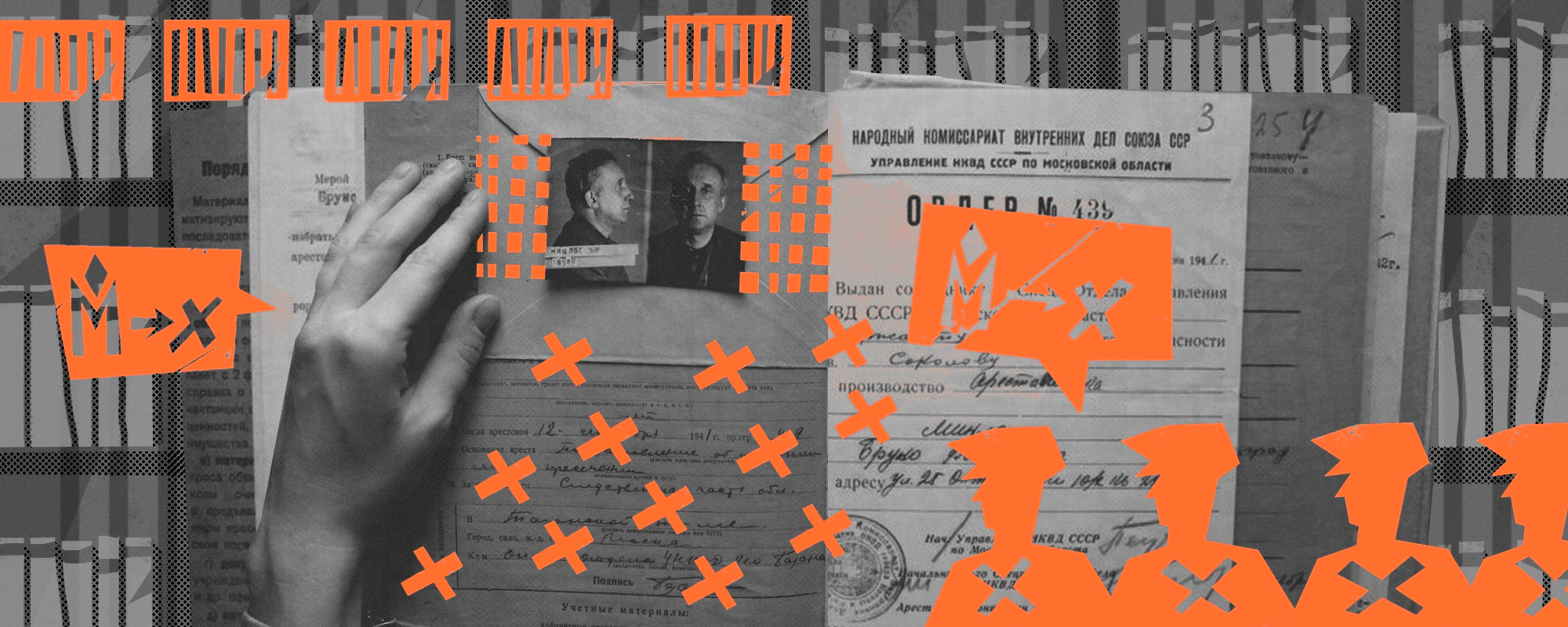
With over 200 educational, charitable and human rights organizations already criminalized in Russia and considered “undesirable” , and over 1,000 people, groups and organizations (including OVD-Info) considered “foreign agents”, these kinds of repression against civil society have become routinized. But still, claiming a whole movement as “extremist” means that the Russian state is officially declaring war on Memorial – a war with the memory of Soviet-era repression. |
|
|
|
|
|
Why is Memorial so important? |
Modern Russia has a very complicated relationship with the legacy of Soviet repression. While from the collapse of the Soviet Union up to the middle of 2010s it was acceptable to speak up about the terrors of the GULAG system, as the repression in modern day Russia grew stronger, the state began to criminalize the memory of those who fell victim to the Soviet state. We have written about this in detail in “Memory wars” – an overview of why is it so difficult for Russian society to commemorate repression. Memorial is a cornerstone organization for the memory of repression and it is now ostracized, banned and criminalized. |
For many readers outside Russia, Memorial is associated mainly with documenting Soviet-era political repression. But its story actually begins much earlier — as a civic movement that emerged in the final years of the Soviet Union, before the Russian Federation even existed. |
Memorial was founded in 1987, during a period of political opening in the USSR, by a group of scientists, economists, and former dissidents who were part of informal public discussion circles in Moscow and Leningrad. These meetings initially focused on confronting the legacy of Stalinist terror and publicly acknowledging the millions of victims of state violence. |
The first exhibition on the crimes of Stalinism, called “Week of Conscience,” was held thanks to Perestroika in November 1988 at the club of the Moscow electric lamp factory / Photo Dmitry Borko |
|
|
|
|
|
What began as a loose civic initiative quickly grew into a nationwide movement. One of its first major campaigns was the demand to create a public memorial for victims of political repression. Volunteers collected hundreds of thousands of signatures, organised public gatherings, and helped bring the issue of Soviet-era crimes into open public debate for the first time in decades. |
By the late 1980s, Memorial had already developed into a large and decentralised civic network with branches across the Soviet Union. From the very beginning, it combined two strands of work that would define its identity for decades: preserving historical memory and defending human rights in the present. |
Alongside its research into Soviet repression, Memorial activists soon became involved in contemporary human rights cases — supporting political prisoners, assisting refugees and displaced people, and documenting abuses in conflict zones across the post-Soviet space. |
In the 1990s, this work expanded further. Memorial built archives, a research centre, and a library, and developed one of the world’s largest databases of victims of political repression, containing millions of names. It also created public remembrance practices, including the annual reading of victims’ names in public spaces — a tradition that continues in many countries today. |
|
|
|
|
|
What will happen with Memorial now? |
Following the Supreme Court’s April 9, 2026 decision, the Russian Human Rights Centre Memorial announced that it is suspending all activities inside Russia, stating that it has no staff, volunteers, or ongoing operations in the country and cannot safely continue its work under the new legal risks. |
The ruling effectively criminalises any association with the “international public movement Memorial” inside Russia. In practice, this has led Russian-based structures linked to Memorial to halt operations domestically, as even indirect participation or support may carry legal consequences. |
As Natalia Sekretaryova, head of the legal department at the Memorial Human Rights Centre, put it: |
|
|
| Most likely, only a few will face actual prosecution — but many more will be intimidated.” |
|
|
|
|
|
|
At the same time, Memorial’s international and exile-based organisations continue their work outside Russia. This includes the International Memorial Association and successor initiatives established in Europe, as well as human rights projects that relocated after earlier waves of repression. These structures continue documenting political repression, supporting political prisoners, and maintaining historical archives from abroad. |
OVD-Info’s position on declaring Memorial “extremist” |
We state clearly: Memorial is not extremist. |
This decision is part of a broader campaign against civil society and historical memory in Russia. It is an attempt to silence organisations that document repression and defend human rights. |
Memorial has been a cornerstone of Russian civil society for decades and has inspired many organisations, including ours. We express our full solidarity with our colleagues. We believe this ruling is not about law, but about fear — and about erasing memory and narrowing the space for public truth. |
At OVD-Info we believe that information protects us. And if we do not shine a light on the memory of past mistakes, we risk repeating them. And this is what truly matters. |
Thank you for reading the Dissident Digest and we’ll see you in your inbox in two weeks. |
Sincerely,
The OVD-Info team |
|
|
|
|
|
The Digest is created by OVD-Info, copy edited by Dr Lauren McCarthy |
OVD-Info English newsletter privacy policy: how we work with your data |
|
|
|
|
|
|