EXPLAINING THE STRUGGLE FOR HUMAN RIGHTS IN RUSSIA |
|
|
Hello and welcome back to the Digest. |
And a special hello to those I met in Brussels. If you are only now seeing this newsletter it is because we have been on a break since the end of January. |
Today we are covering the anniversary of the Navalny murder and the threat of racism towards minorities in Russia. Also I want to note that this Monday marked 3 years of the full-scale invasion of Ukraine, which has killed many thousands of Ukrainians and launched unprecedented repressions against anti-war Russians. I am sad to see that today we are seemingly at the precipice of a momentous change for the worse. Yet I hope that we all can work to empower humanitarian initiatives and civil society despite new challenges.
|
In solidarity, Dan Storyev |
|
|
We have a substack now! If you would like to read the Digest on Substack you can now do so here. Tell your friends! |
|
|
Trigger warning:
This is a newsletter about Russian repressions. Sometimes it will be hard to read. |
|
|
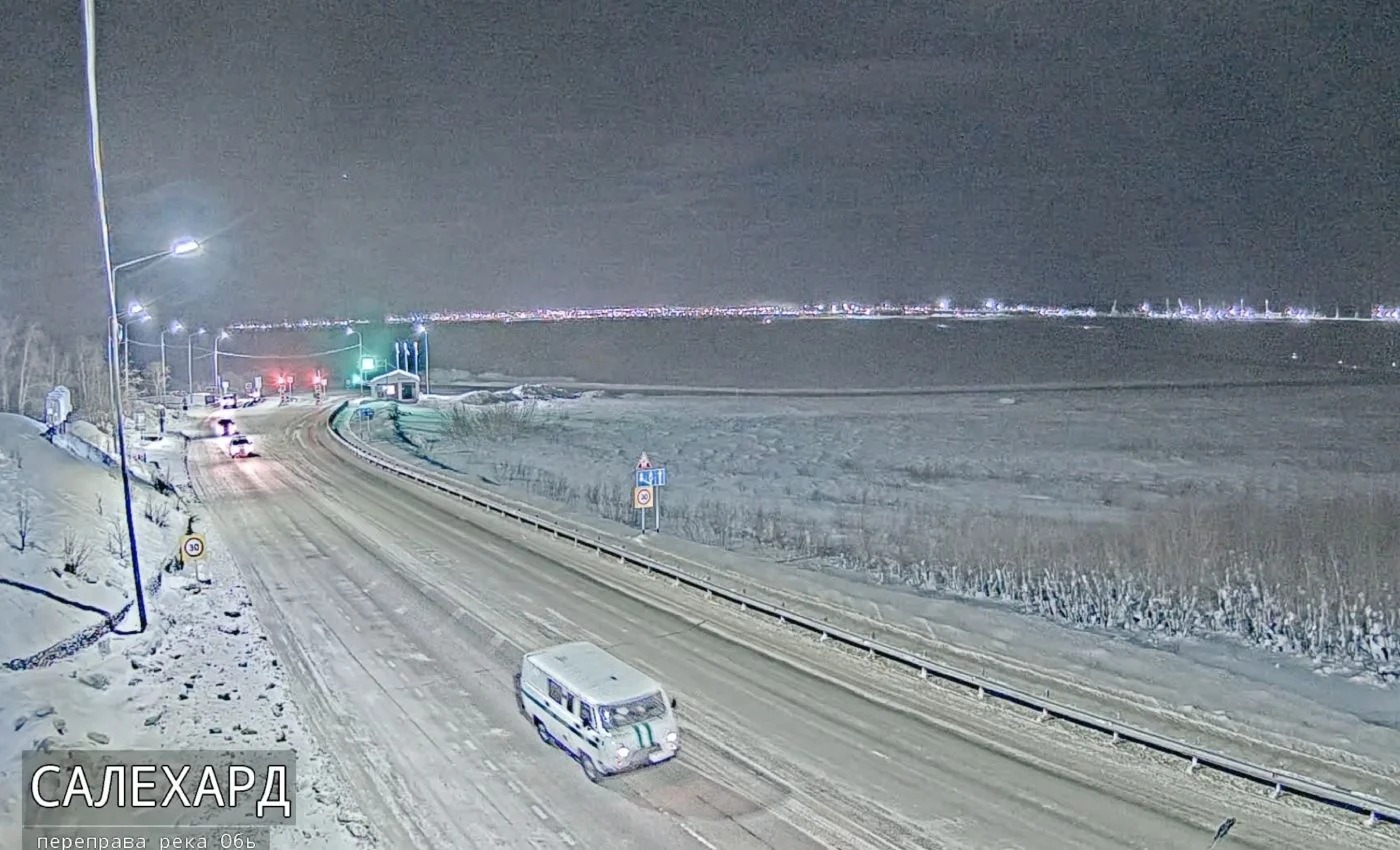
The Kremlin’s agents killed Navalny on 16 February 2024. According to his foundation’s investigation, narrated by his wife days later, Navalny was killed in the icy Polar Wolf prison beyond the Arctic circle. His jailers beat and electrocuted him until the politicians’ heart stopped. Navalny’s team believes that the murder was calculated by Putin who did not want Navalny to be exchanged in the prisoner swap that happened last year.
|
|
|
Federal Penitentiary Service convoy on the road connecting Polar Wolf penal colony with the nearby city of Salekhard. Mediazona journalists concluded that Navalny’s body was transported in this convoy / Screenshot: Mediazona |
|
|
Navalny had spent years trying to engage in politics in Russia and, essentially, build a political world from the ground-up — while all around him the Kremlin sought to destroy any and all political engagement. While the Kremlin tried to remove Navalny from the public eye, the indefatigable dissident always came back, even after surviving a nerve agent attack. Once jailed, Navalny kept stirring up public opinion through the notes his team published online.
|
Arguably, even death didn’t silence Navalny. His legacy still strikes a chord in the hearts of Russians who continue seeing him as a symbol of their political fight against the Kremlin. Navalny’s tomb in Moscow, where he was buried after the authorities reluctantly turned his body over to the family, has become a site of civic pilgrimages.
|
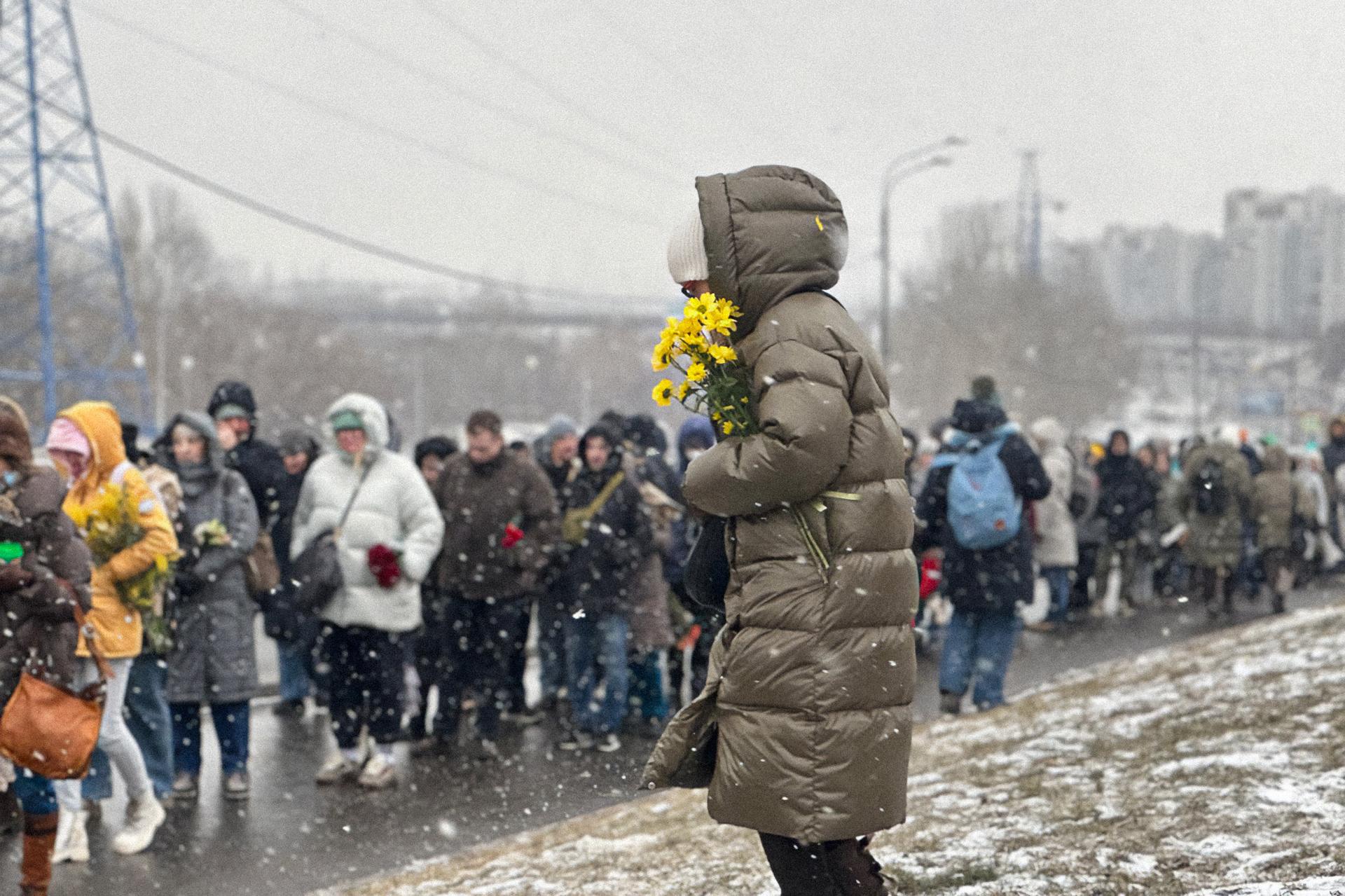
The burial itself prompted a thousands-strong almost-demonstration that the streets of Moscow hadn’t seen since the crushed anti-war protests of 2022. On the murder’s anniversary Russians throughout the country (and abroad) marked the grim date. |
|
|
A queue of mourners near the Borisov сemetery on the anniversary of Navalny’s murder, 16 February 2025 / Photo: Novaya Gazeta |
|
|
Those in Moscow or with the means to travel brought flowers to Navalny’s final resting place. There they were met with an uncomfortable surprise: plain clothes men thoroughly documenting everyone that showed up. Some Russians who could not travel to Moscow brought flowers to memorials to political prisoners in their cities. Someone brought flowers to the place in Novosibirsk where Navalny was photographed shortly before being poisoned.
|
|
|
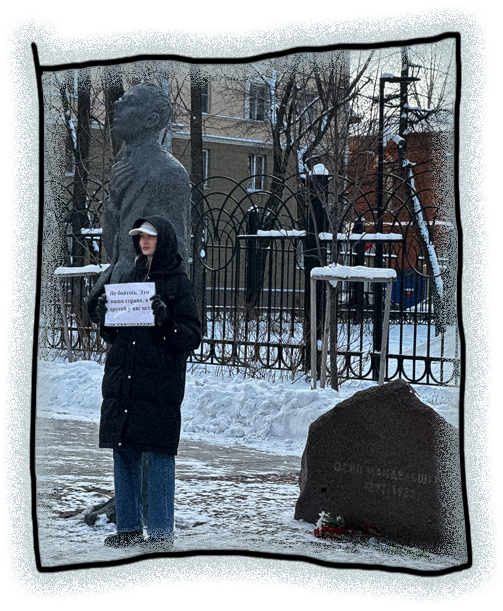
Some people — at least 42 in 18 cities — were detained during their protests. Especially striking here is the case of young couple Alexander and Yevgenia from Voronezh, a city in southwestern Russia. The couple agreed that they would both lay flowers at the memorial to Osip Mandelstam, a Russian dissident poet who died in a Gulag. |
| Yevgenia in a solitary picket next to the monument to Osip Mandelstam in Voronezh, 16 February 2025 / Photo: “ДИССИДЕНТ” Telegram channel |
|
|
Yevgenia wanted to then stand up next to the monument with a placard reading “Don’t be afraid. This is our country and we have no other.” Alexander was supposed to film her. Security agents showed up almost instantly. First, a plain clothes man began filming Yevgenia in her face, trying to provoke her. “Aren’t you cold?” he smirked. Then a group of men dragged Alexander off. Another group detained Yevgenia.
|
Upon bringing Alexander to the police station, the agents tried to unlock his phone. When they couldn’t, they called Alexander a “traitor”, beat him and threatened the activist with a stun gun. “You will actually die,” the cops said, according to Alexander. He nevertheless refused to unlock his phone and the men let him go. |
|
|
I have a brief announcement. My friends at DOXA launched their own English-language newsletter. DOXA is a progressive youth media outlet covering war, dictatorship, and inequality. I am happy to support their foray into English language coverage, and you should too — it promises to be very interesting.
|
|
|
The Kremlin likes to paint Russia as a multicultural empire where various ethnicities coexist in peace. However, nothing could be further from the truth. Today the Russian state is empowering racism on a national scale, sometimes using downright Orwellian techniques.
|
What caught my eye recently was the announcement from St.Petersburg authorities that the city’s surveillance cameras will now be set to recognise people’s ethnic identity. Some 8,000 cameras out of over 100,000 will get the function, which might cost the city budget over 43,000 USD.
|
|
|
The head of the “Interethnic relations committee” broke the news first, saying that the surveillance technique was developed to prevent “the formation of ethnic enclaves” and will allow for the adoption of “timely preventive measures to avoid social tensions in the region”. The measure is so absurd on its face that even several Russian officials spoke out against it.
|
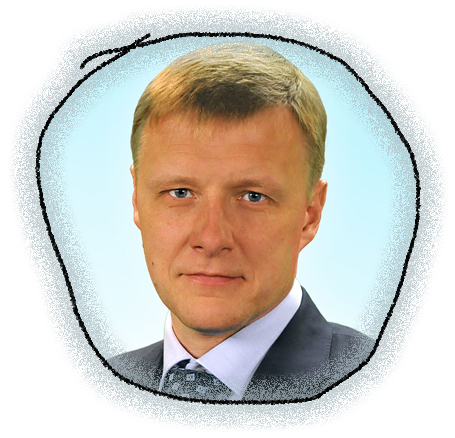
| Oleg Kapitanov, head of the “Interethnic relations committee” in the St.Petersburg city administration and former member of the far-right “LDPR” political party. / Photo: St. Petersburg city administration |
|
|
This reads like a page from a sci-fi dystopia — but this has been the reality in which ethnic minorities, especially Central Asian labour migrants, have been living. After the Soviet collapse, Russia became a hub for Central Asian economic migration, especially from Tajikistan and Kyrgyzstan in a dynamic not dissimilar to that between the US and Latin America.
|
When in Russia, Central Asians often work in inhumane conditions, being used for the most dangerous and “dirty” jobs in construction and service industries. Labour protections, already scarce in Russia, are all but non-existent for Central Asians, many of whom are undocumented. |
|
|
Migrant worker’s uniform on a Moscow Urban Renewal Initiative construction fence, 2017 / Photo: Ivan Kleimenov for Meduza | |
|
Against this backdrop Russian lawmakers adopted 14 new laws aimed at restricting migration and forcibly assimilating Central Asians already in Russia. Some of the most controversial legislation includes mandatory Russian language proficiency for the migrants’ children — while the financial burden of ensuring additional Russian education is shifted entirely onto parents. This is a part of the general trend of further Russifying Russia that also encroaches on the minority languages spoken by Russian citizens like Tatars and Udmurts.
|
Add to that the rising nationalist violence cheered on by the state — I wrote about this earlier — and you get the full picture: a dystopian system targeting labour migrants for further repression.
|
| |
Please answer our questionnaire so we can better understand our audience! |
|
|
The European Council on Foreign Relations |
|
|
Sources cited in the reading list are not necessarily aligned or in a formal partnership with us. It is just what the editor finds interesting. |
|
|
The Digest is created by OVD-Info, written by Dan Storyev, edited by Dr Lauren McCarthy |
OVD-Info English newsletter privacy policy: how we work with your data |
|
|
|