EXPLAINING THE STRUGGLE FOR HUMAN RIGHTS IN RUSSIA |
|
|
Hello, Dissident Digest readers! |
I’m Inna, stepping in for Dan once again.
Today, we’re talking about the witch hunt going on at Russian schools and universities, where educators are being targeted for not sticking to the official propaganda. In the second part, I’ll share the trial of four journalists that is happening behind closed doors — apparently because the authorities are worried about Navalny’s team causing a stir. |
In solidarity,
Inna Bondarenko |
|
|
Donate to OVD-Info to keep us running | |
|
Trigger warning:
This is a newsletter about Russian repressions. Sometimes it will be hard to read. |
|
|
Witch hunt at schools and universities |
|
|
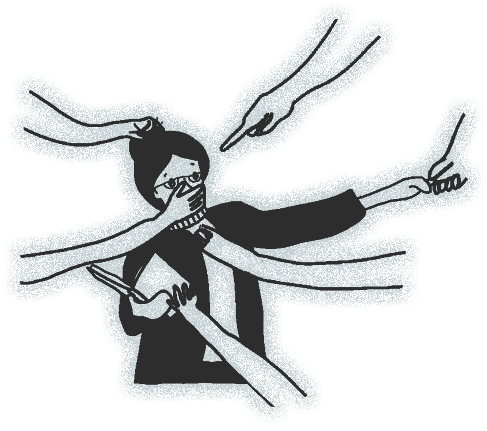
On October 5th, Russians celebrated Teacher’s Day. While Vladimir Putin often preaches about how important teachers are for the nation’s future, it all rings hollow: their social status is quite low and their pay is miserable — especially in schools. They might be the backbone of the state’s propaganda machine and the architects of “patriotic upbringing,” but they’re also caught in a terrifying web of oppression. Teachers are now forced to follow strict new guidelines on teaching subjects, and if they don’t, they become targets in a state-led witch hunt. Educators have to push state-approved narratives that go way beyond just the war in Ukraine. For example, they are required to avoid discussing Soviet repressions or challenging the official version of the Crimean annexation. They must also teach about the “heroism” of Russian soldiers in Ukraine, with little room for nuance or alternative perspectives. Failure to follow these guidelines often results in harsh punishments — from firings to public shaming or even criminal prosecution.
|
A recent report by OVD-Info shows the persecution educators face, sharing insights from 20 in-depth interviews with school teachers and university professors. The findings are more than alarming — without any exaggeration. Teachers are being coerced into becoming puppets of indoctrination, living in a frightening reality they never signed up for. Now, instead of fostering critical thinking and open conversations, they have to teach lessons packed with glorified stories that fit the government’s agenda.
|
|
|
Since the invasion of Ukraine in 2022, Russia’s education system has become a battleground for ideology. Schools have ramped up “patriotic lessons” and created an atmosphere where both teachers and students alike are expected to back the war in Ukraine. These new “patriotic” are there to glorify Russia’s history and Putin’s regime, often distorting facts or leaving out key historical events altogether. It’s no wonder that many teachers have quit their jobs or left the country to escape the growing pressure and looming fear of being sent to fight on the frontlines.
|
|
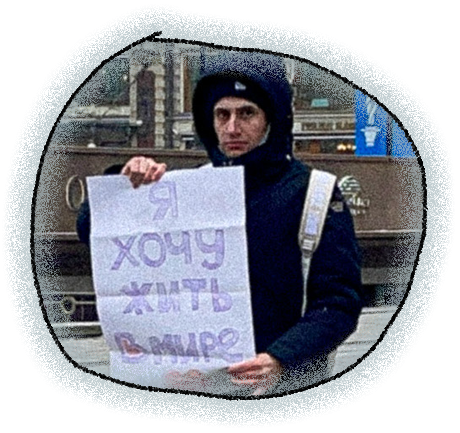
“I want to live in peace” — School teacher Kamran Ramiz Manafly holds a protest sign in front of the Kremlin, Moscow, 8 March 2022. He was detained, fired from his school and forced to leave Russia / Photo: courtesy of Kamran Ramiz Manafly |
|
|
For those who stayed, they’ve had to accept that they can’t speak freely with their students about politics or current events. Why? They can’t go against the official narrative from the Ministry of Defense without facing serious risks. Sensitive topics are often avoided or discussed in coded language. These policies have hit hard. Teachers are losing their jobs, facing fines, criminal charges, and harassment. Sometimes, even their colleagues turn against them. OVD-Info has recorded 148 instances of harassment, but this is likely just the tip of the iceberg.
|
|
|
A major driver of this prosecution is anonymous reports to authorities, which make up about a third of the cases. Most of these reports come from students or parents, and sometimes even fellow teachers or headmasters. Accusations often arise from innocent classroom discussions, particularly when teachers refuse to join in on ‘patriotic’ activities or dare to voice anti-war sentiments. Many teachers have been fired or felt pressured to resign. Out of the 148 persecuted educators we spoke to, 57% (84 teachers) lost their jobs. Whether it is being critical of the current regime in Russia or speaking out against the war — differences of opinion are simply not tolerated at schools and universities anymore.
|
|
Natalya Taranushenko, a school teacher from the Moscow Region. She was reported by her student’s parents. In June 2024, a criminal case was opened against her for “spreading deliberately false information about the Russian Armed Forces” during classes. She was forced to flee the country and was put on the Commonwealth of Independent States’ wanted list by Russian authorities / Photo: courtesy of Natalya Taranushenko
|
|
|
But the scrutiny doesn’t stop there. Often, these reports are based on what teachers say and do outside of class—like social media posts. Teachers get in trouble for what the state considers ‘inappropriate behavior.’ In Barnaul and Omsk, some teachers were forced to resign just for posting photos on social media where they were wearing swimsuits . In Krasnoyarsk, one educator was pushed to resign after being accused of supporting the LGBT community. Attending protests or being politically active could lead to job loss.
|
|
|
For some, this pressure has led to thoughts of leaving the country. We know of at least 22 teachers who have fled Russia, with five leaving after facing criminal charges. Germany and Armenia have become popular spots for these educators, but deciding to leave is never easy, especially since many never imagined they’d have to pack up and go abroad before the invasion. |
|
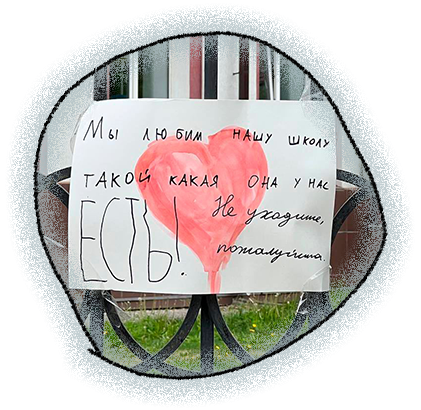
“We love our school like it is. Please don’t leave” poster in support of Elena Rakintseva, a school director who left a Perm school after refusing to implement “important conversations” — nationalistic propaganda lessons, 2023 / Photo: 366 Пермь |
|
|
On a brighter note, support has emerged from unexpected places. Thirty-one of the teachers we interviewed received backing from students or parents, while 27 got support from fellow teachers. Solidarity has taken many forms from signing petitions to quitting in protest over a colleague’s mistreatment. Students and parents have also stepped up, putting up posters and writing letters to help prevent a teacher’s dismissal. |
|
|
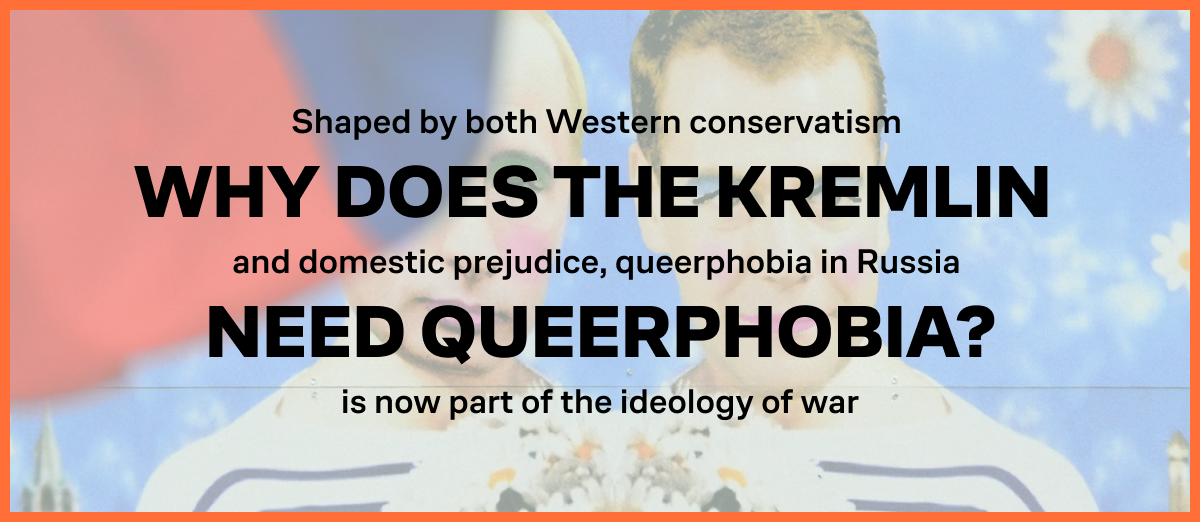
Torture, slashed veins and a year in solitary confinement: in conversation with Ruslan Kostylenkov, a defendant in the «New Greatness» case
| |
|
Trial of four journalists kicks off in Moscow — behind the closed doors |
|
|
In Digest #68, we talked about how the vague definition of extremism in Russia allows the label to be easily slapped on anyone. That’s exactly what happened to four independent journalists who are suspected of being connected to an “extremist” group—Navalny’s Anti-Corruption Foundation (ACF). The ACF was declared extremist by the Russian authorities in 2021, making any ties to them illegal under Russian law.
|
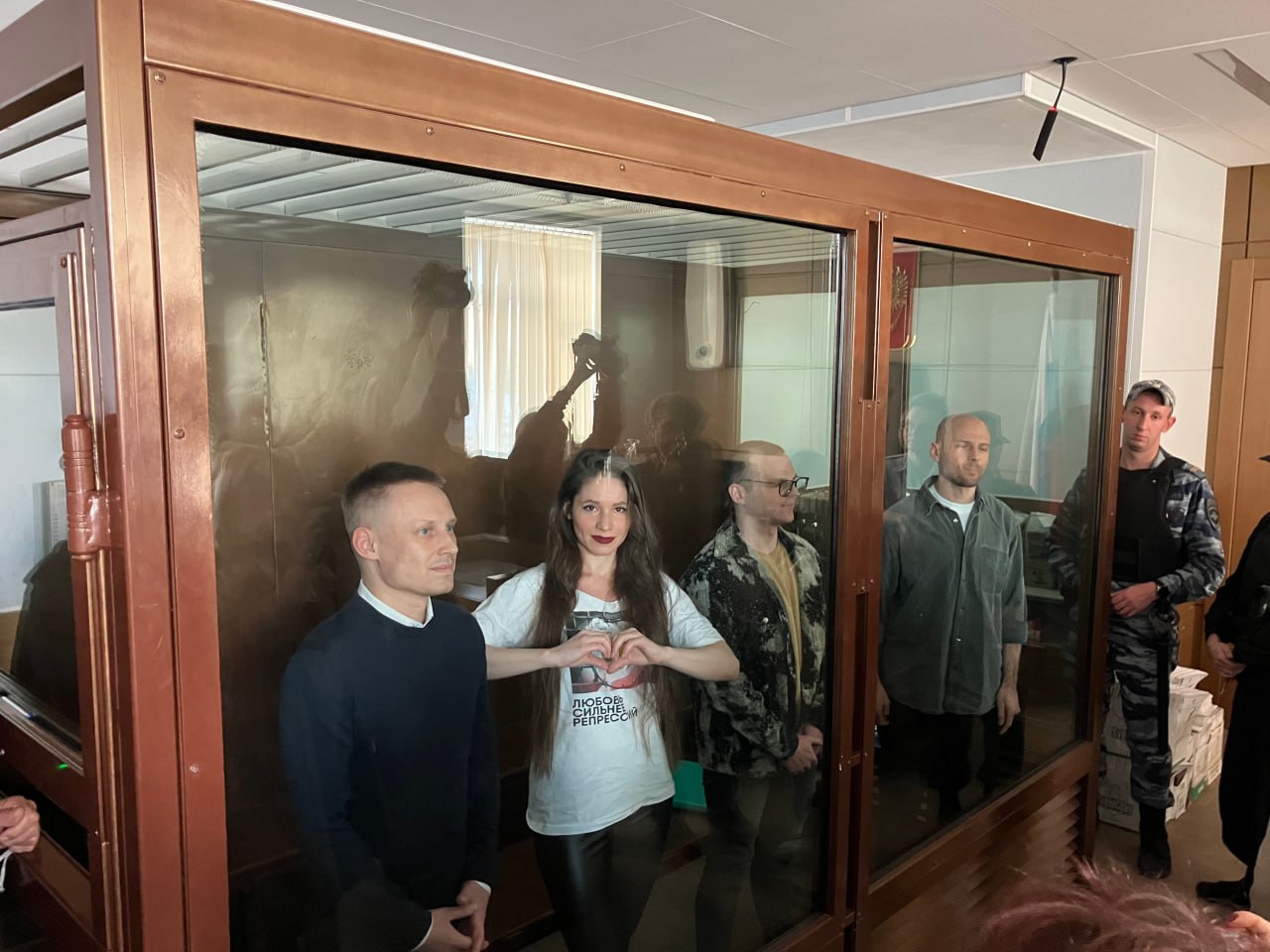
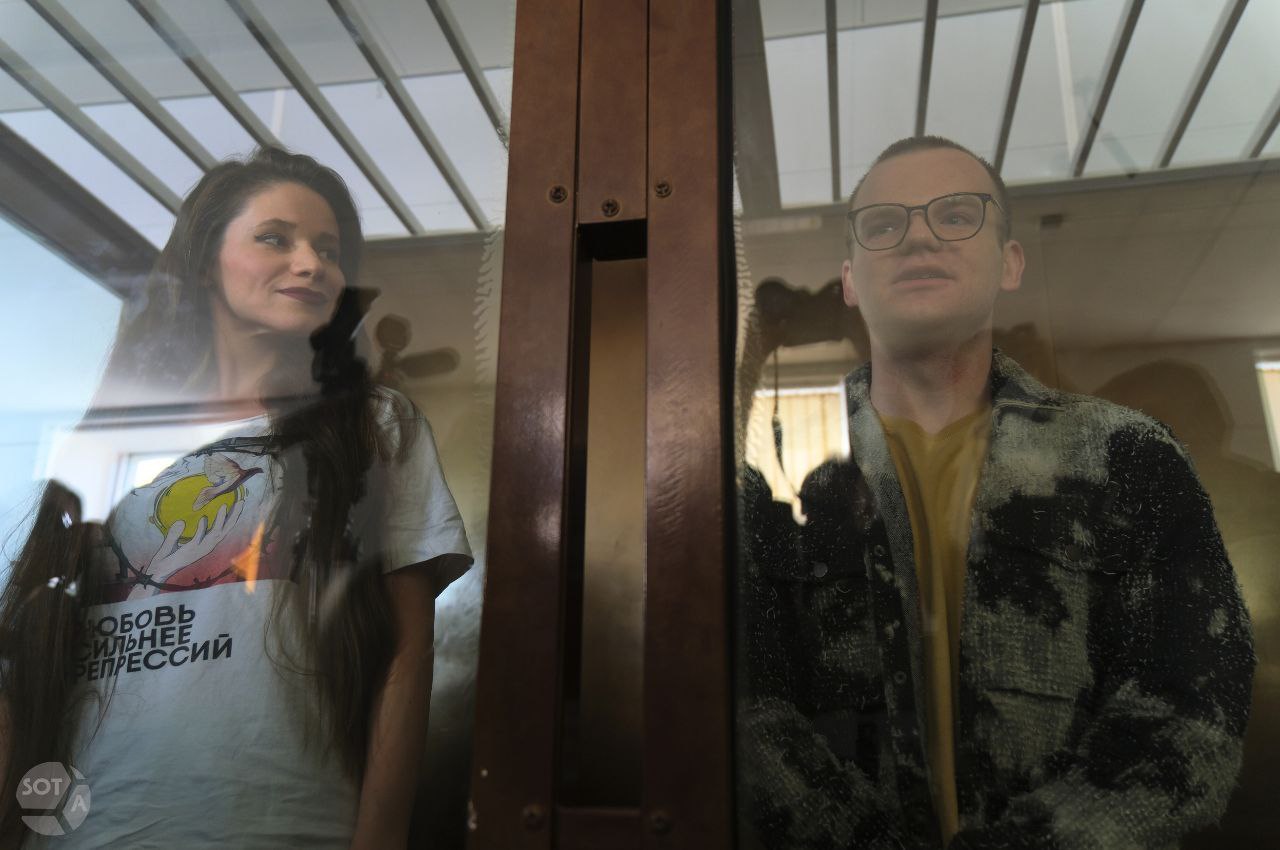
On Wednesday, 2 October, the Nagatinsky District Court in Moscow kicked off the trial for journalists Antonina Favorskaya, Sergey Karelin, Konstantin Gabov, and Artem Kriger. Investigators say all four produced content for ACF’s YouTube channels. |
|
|
Konstantin Gabov, Antonina Favorskaya (wearing a “love is stronger than repression” shirt), Artem Kriger and Sergey Karelin in the Nagatinsky District Court, Moscow, 2 October 2024 / Photo: Mediazona |
|
|
The journalists were arrested starting in late March 2024. Favorskaya was detained first, Karelin and Gabov followed in April, and Kriger in June. Favorskaya and Kriger work at the SOTAvision media outlet , while Karelin and Gabov previously worked with the Associated Press and Reuters.
|
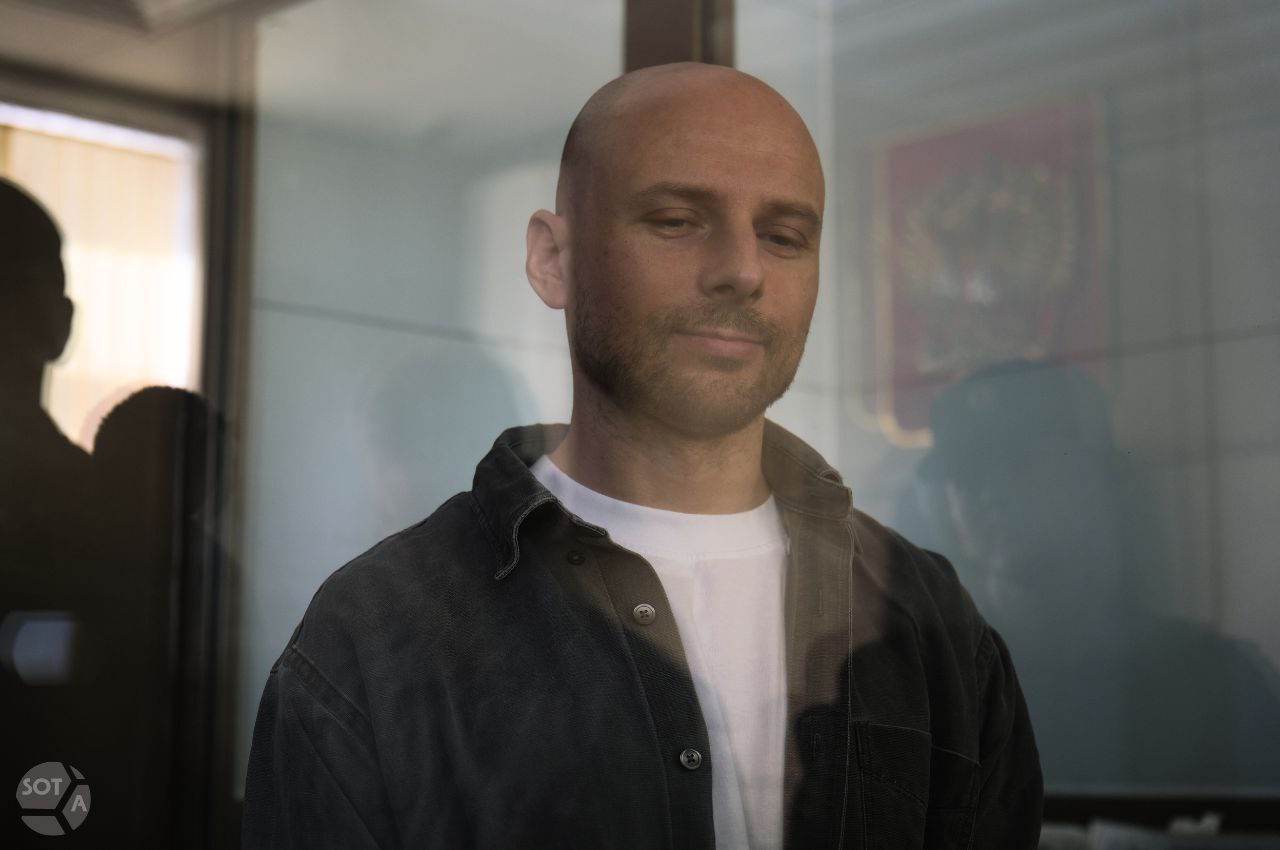
Karelin and Gabov are specifically accused of creating content for the “Navalny LIVE” YouTube channel. The investigators claim they were doing street interviews in Moscow with “provocative” questions, which they say ties them to Navalny’s team.
|
|
|
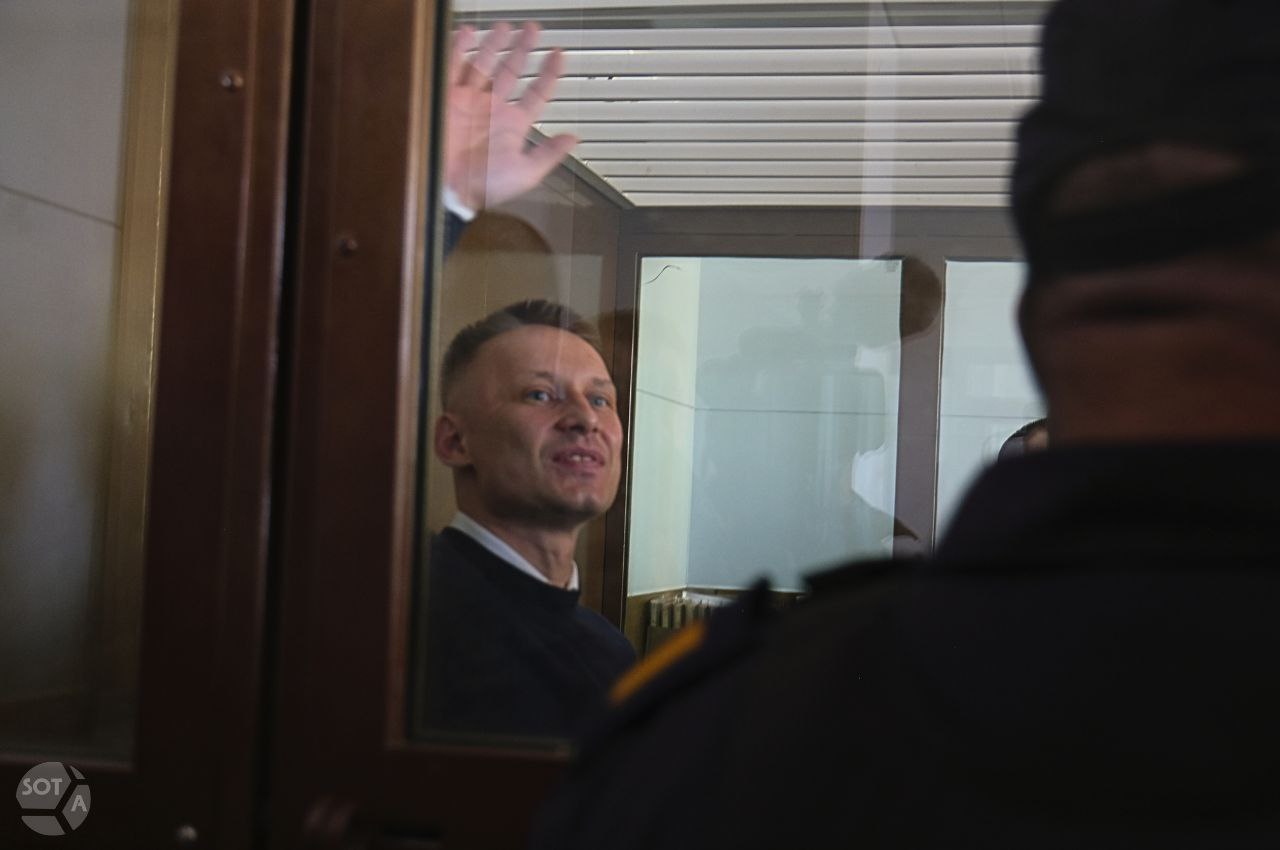
Sergey Karelin, a freelance video journalist who has worked with Western media outlets including The Associated Press, in the Nagatinsky District Court, Moscow, 2 October 2024 / Photo: SOTAvision |
|
|
Investigators also allege that Kriger and Favorskaya were using their jobs at SOTAvision as a cover for their activities. They claim Kriger made several videos for the ACF with titles like “There Was No Security,” “Russians on the Terrorist Attack at Crocus City Hall,” “Prices Are Rising, Baikal Is Gone, The War Goes On,” and “Russians on Putin.” Kriger’s voice isn’t even in the videos since they were dubbed before they were released.
|
|
|
Antonina Favorskaya and Artem Kriger, SOTAvision journalists, in the Nagatinsky District Court, Moscow, 2 October 2024 / Photo: SOTAvision |
|
|
Favorskaya is accused of covering trials related to Navalny and of traveling to Kharp (the remote Arctic settlement where Alexei Navalny spent his final weeks) in February 2024 with Navalny’s mom. Investigators say she was following orders from Ivan Zhdanov (the director of ACF), but there’s no proof she was paid for any of it.
|
In a letter to the court, the Russian Interior Ministry’s Center for Countering Extremism claimed that Navalny’s team was planning provocations during the hearings, which is why the trial was closed to the public. All four journalists protested this decision, saying there’s no evidence to back it up.
|
|
|
Konstantin Gabov, a freelance producer working with Reuters, in the Nagatinsky District Court, Moscow, 2 October 2024 / Photo: SOTAvision |
|
|
“They’re scared of the truth getting out. They’re worried about being exposed. As someone who graduated from GITIS (Russian Institute of Theatre Arts), I can honestly say you guys [investigators] aren’t putting on a very good show,” Antonina Favorskaya said.
|
According to OVD-Info, at least 74 people in Russia face criminal charges tied to the ACF, often for small things like reposting on social media or making minor donations. So far, 26 have been convicted. Others have fled Russia to avoid arrest. Many are also wanted by Russian authorities or have been arrested in absentia. |
|
|
Please answer our questionnaire so we can better understand our audience! |
|
|
Sources cited in the reading list are not necessarily aligned or in a formal partnership with us. It is just what the editor finds interesting. |
|
|
The Digest is created by OVD-Info, written by Dan Storyev & Inna Bondarenko; edited by Dr Lauren McCarthy |
OVD-Info English newsletter privacy policy: how we work with your data |
|
|
|