EXPLAINING THE STRUGGLE FOR HUMAN RIGHTS IN RUSSIA |
|
|
Hello and welcome back to the Digest. |
Today we are covering the story of grassroots organisers in the Siberian city of Omsk. |
In solidarity, Dan Storyev |
|
|
Donate to OVD-Info to keep us running |
|
|
Trigger warning:
This is a newsletter about Russian repressions. Sometimes it will be hard to read. |
|
|
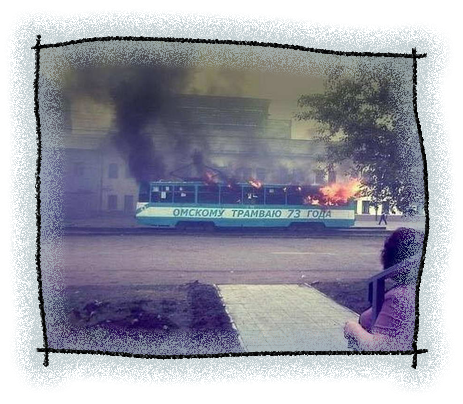
Omsk is a city in Siberia near the border with Kazakhstan. The flight to Moscow takes about 3 hours. In the rest of Russia Omsk is often stereotyped as morbidly depressing — thanks to a particularly angsty genre of late Soviet punk that developed in the city, and some “doomer” memes.
|
| “The Omsk tram is 73 years old” — one of the early memes from the city |
|
|
But Omsk is much more than this. It is also a site of bustling local activism. Or at least it used to be, prior to the full-scale invasion of Ukraine. An example of this activism is the Omsk Civic Association. Not only is it a perfect example of Omsk activism, it is a microcosm of the pre-invasion local activism which existed in the peculiar time between the Kremlin destroying civic infrastructure (Foreign Agent Laws and so on) and the invasion that gave the Kremlin the excuse to transition its repression to an entirely new level.
|
|
|
Omsk Civic Association’s Russian acronym is OGO, which can be translated as “WOW” and it has been active since 2021. It was started by three activists, all of them prime archetypes of the varieties of Russian activism.
|
|
|
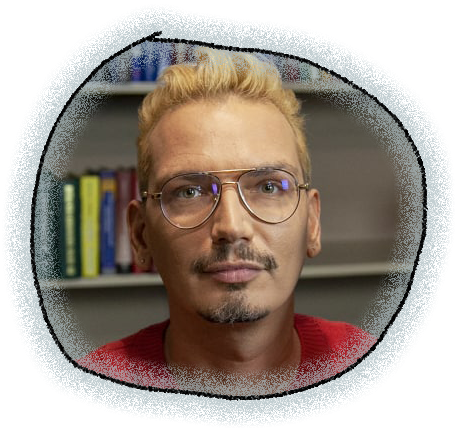
Nikolai Rodkin / Photo: Omsk Civic Association |
|
Nikolai Rodkin, 42, ran a law firm and engaged prolifically in LGBTQ+ advocacy. “At some point, I realized that it’s not always possible to defend people’s rights in court,” he recalls. “And that’s why I started doing human rights work. The first priority was, of course, LGBT, because I’m an LGBT person myself.” He got his start in activism in the early aughts as a volunteer at an HIV-AIDS charity.
|
|
|
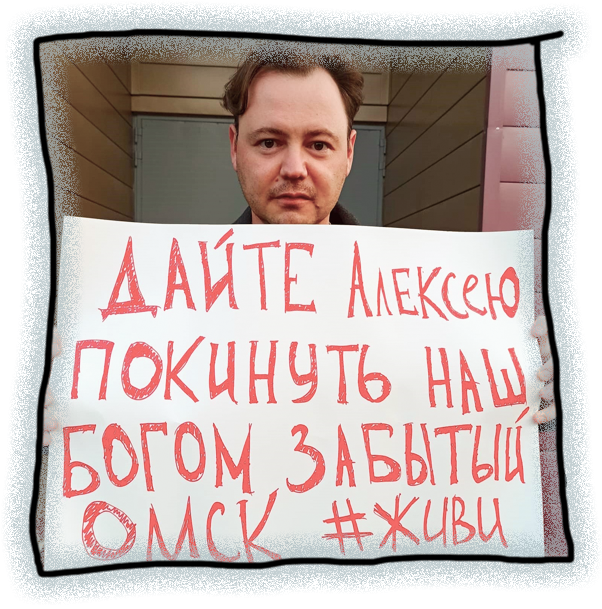
Richard Roman King, 39, started off as an eco-activist. In 2011–13 he successfully campaigned against a silicon plant in Omsk and participated in countless green initiatives afterwards. In 2020 Navalny collapsed after being poisoned and ended up hospitalised in Omsk, where King coordinated a protest demanding Navalny’s transfer to a clinic in Germany.
|
| “Let Alexey leave our godforsaken Omsk” — Richard Roman King picketing the hospital, where Navalny was held after the poisoning, August 2020 / Photo: Omsk Civic Association |
|
|
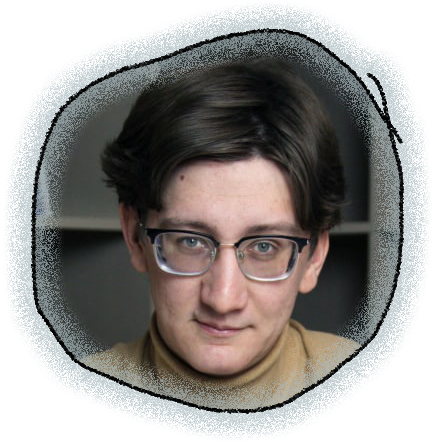
Daniil Chebykin / Photo: Omsk Civic Association |
|
Daniil Chebykin, 33, came up through Navalny’s structures. Before founding OGO he worked for four years in the local Navalny HQ — these HQs were key political organisations created by Navalny to politicise Russians and bring his anti-corruption movement beyond the capital.
|
|
|
In January 2021 when Navalny returned to Russia after his recovery in Germany and was arrested at the airport, Chebykin and King protested against the arrest. They were both detained. “Prison brought us closer,” says King.
|
OGO was built to focus on four key goals: anti-corruption, civic campaigns, ecology, and helping activists. In April 2021 OGO ran a mayoral campaign for Rodkin. They never hoped for a victory, and weren’t allowed to run — rather, the point was to demonstrate that the election could never be fair to begin with.
|
|
|
Richard Roman King, Nikolai Rodkin and Daniil Chebykin in front of the Omsk City Council before submitting documents to register Rodkin’s candidacy for mayor, 22 November 2021 / Photo: Omsk Civic Association |
|
|
What should ordinary people do with their feelings of despair and helplessness in the face of naked power grabs by cynical figures? This is the question many civic-minded Russians face. |
|
|
A few days before Putin’s full-scale invasion on February 24, 2022 Chebykin had to flee Russia. He was worried of being jailed over his work with Navalny — the Kremlin began actively targeting anyone connected to the dissident’s political structures in a campaign of repression that has already led to a number of people jailed.
|
King and Rodkin remained in Russia. They and other OGO members raised money for legal funds for anti-war protesters in Omsk. Yet over the next several months it became clear that the two leaders needed to leave Russia as soon as possible, as they had become inundated with fines and threats for their anti-war work. |
|
|
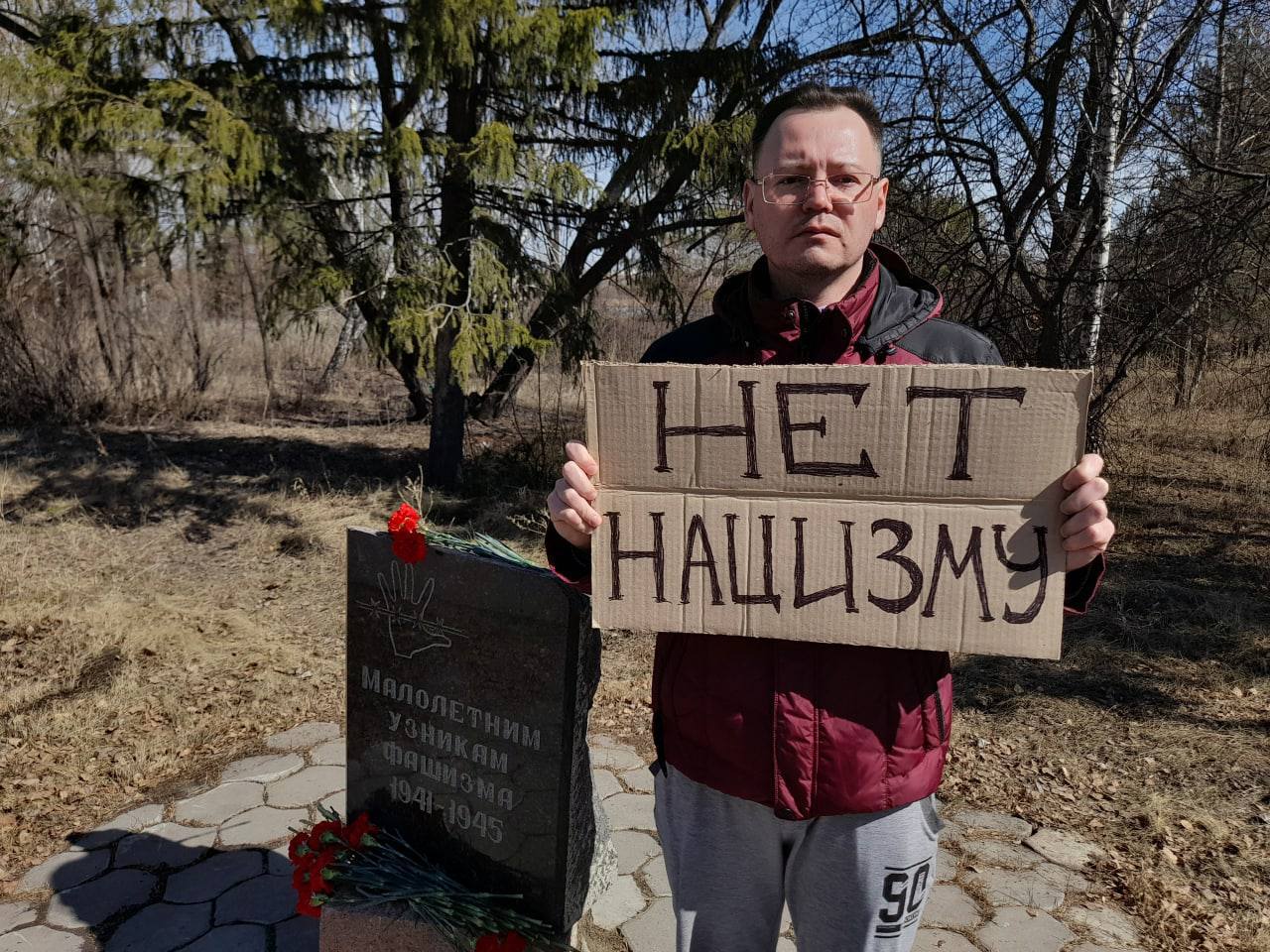
“No to Nazism” — Richard Roman King in a solitary picket at the monument to the Young Prisoners of Fascism in Omsk, 11 April 2022 / Photo: Omsk Civic Association |
|
|
The trio continued working from abroad. In 2024 the Kremlin declared OGO an extremist organisation -– a label designed to freeze operations of organisations in Russia and criminalise any interactions Russians might have with them. It is often used against opposition groups. The Kremlin also tried out a new form of pressure on the OGO founders: Chebykin and King’s internal passports were cancelled. Internal passports are a kind of an ID that is essential to anyone living in Russia — but they are rarely recognised abroad. This means they can’t access their bank accounts, SIM cards, governmental services and so on.
|
Right now the trio live in exile. King is in Germany and his two comrades are in Armenia. They continue their work, focusing on monitoring wartime losses amongst Omsk natives and on helping people escape from Russia. “We have to face the truth - the exodus of people from Russia continues. Every day someone arrives. Every day someone leaves, and these people need help, they need help in new countries, in new places,” says Chebykin.
|
|
|
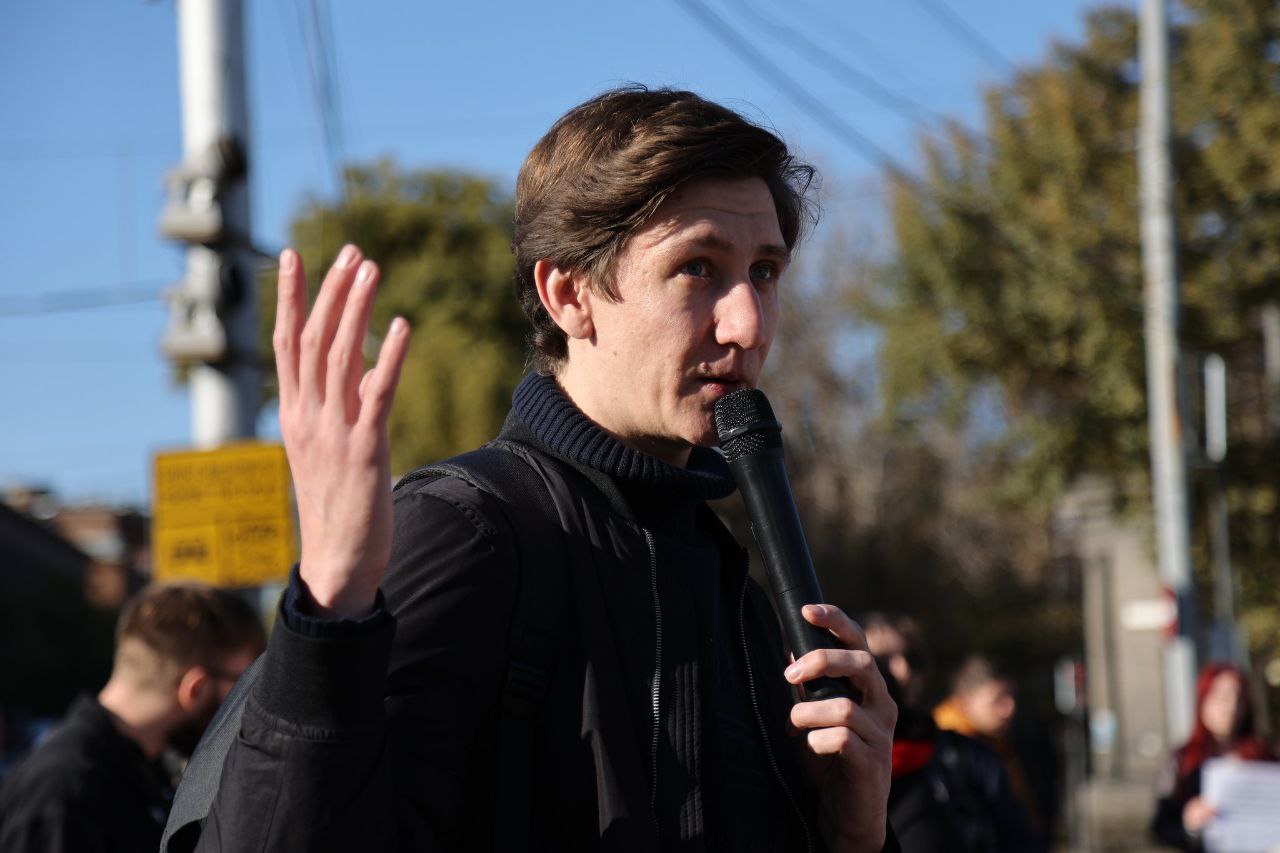
Daniil Chebykin at an anti-war rally in Yerevan, 17 November 2024 / Photo: Daniil Chebykin’s Telegram channel |
|
|
But the activists ultimately want to return to Russia once the opportunity arises. “Each of us wanted to stay until the very end,” Rodkin says. “We all thought that maybe something would change, and everything would go back to normal and we wouldn’t have to go anywhere. We still hope for this. [That] we will end up in Omsk with documents to submit [for participation] in the first fair elections.”
|
This is a rewrite of our Russian-language article. |
|
|
Please answer our questionnaire so we can better understand our audience! |
|
|
Sources cited in the reading list are not necessarily aligned or in a formal partnership with us. It is just what the editor finds interesting. |
|
|
The Digest is created by OVD-Info, written by Dan Storyev, edited by Dr Lauren McCarthy |
OVD-Info English newsletter privacy policy: how we work with your data |
|
|
|