EXPLAINING THE STRUGGLE FOR HUMAN RIGHTS IN RUSSIA |
|
|
|
|
|
Trigger warning:
This is a newsletter about Russian repressions. Sometimes it will be hard to read. |
Hello and welcome to the Digest. |
Since the illegal annexation of Crimea in 2014, Russia has exercised de facto control over the peninsula. According to Russian authorities, residents of Crimea are entitled to the same constitutional guarantees, including freedom of speech, freedom of assembly, and protection against discrimination based on race or religion. However, from the very beginning of the occupation, the Kremlin established a full repressive apparatus — including police, investigators, prosecutors, and courts — which is now actively used against Crimean Tatars. |
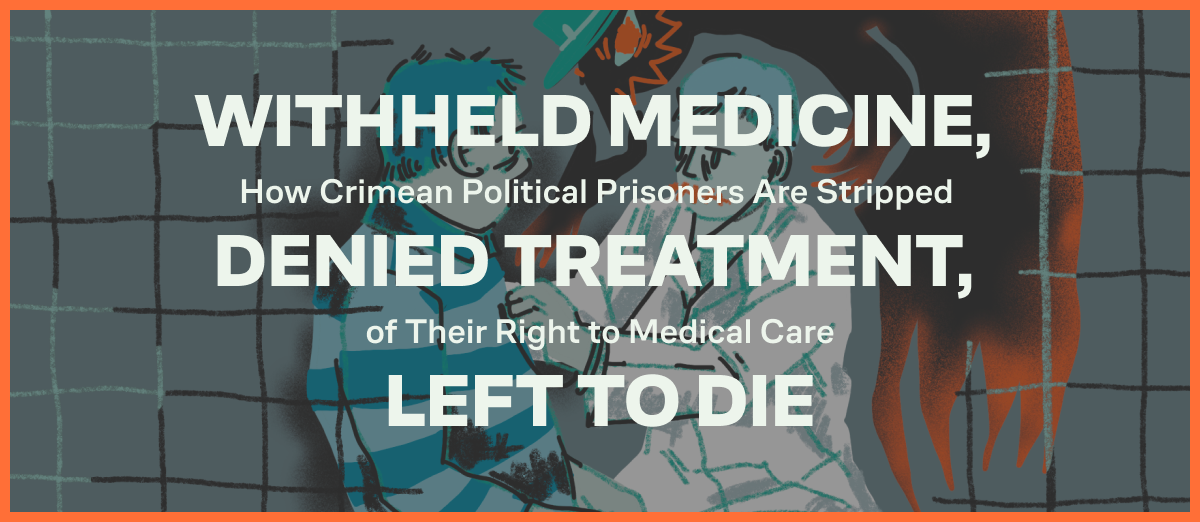
In this letter, we would like to share the key findings from our recent report on the health of politically persecuted people from Crimea. |
If you value our research, please consider supporting our work: |
|
|
|
|
|
Donate to OVD-Info to keep us running |
|
|
|
|
|
Below we are listing the most important takeaways from the report. |
Political prisoners in Crimea after 2014 |
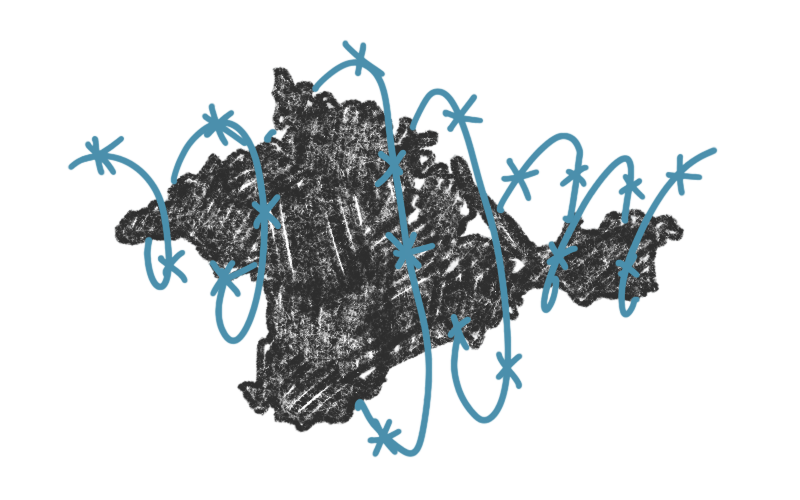
Following the illegal annexation of Crimea, Russian security services began persecuting politicians, activists, and journalists who opposed the incorporation of the peninsula and the city of Sevastopol into Russia. |
One of the most affected groups has been the Crimean Tatar people, a national minority indigenous to the region. |
It is impossible to determine the exact number of politically motivated prosecutions. However, according to the Crimean Tatar Resource Center, as of August 2025, 431 people have been prosecuted on politically motivated charges, including 249 Crimean Tatars. Many of them suffer from serious health issues and lack access to adequate medical care. |
|
|
|
|
|
|
Why Crimean Tatars became a target |
During the Russian military’s takeover of Crimea in the spring of 2014, many Crimean Tatars — who make up around 12% of the peninsula’s population — opposed the annexation of Crimea by Russia. Some took part in mass protests, while leaders of the Mejlis, the representative body of the Crimean Tatar community, appealed to foreign governments, urging them to prevent Crimea from leaving Ukraine. |
In response, Russian authorities began targeting those who actively opposed the annexation. In 2016, the Mejlis was designated an “extremist organization” in Russia and banned. Many community leaders, journalists, and human rights defenders have since been imprisoned under Russian law for their activities. |
|
|
|
|
|
|
How the system oppresses Crimean Tatars even in prison |
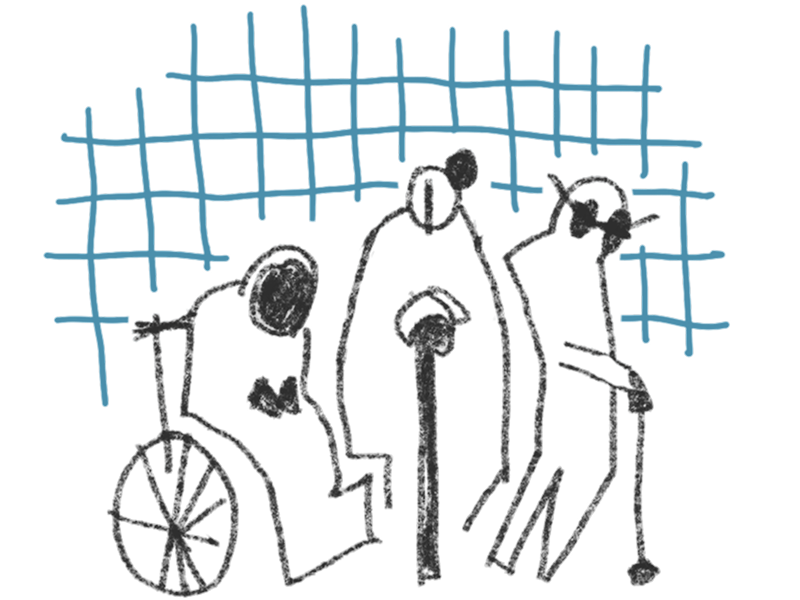
Each political prisoner has their own story — but the patterns are strikingly similar. Some were imprisoned at an older age, already suffering from chronic illnesses. Others saw their health deteriorate in detention. Some entered prison with disabilities. |
Severe health problems did not prevent the authorities from putting Amet Suleymanov behind bars. A Crimean Tatar journalist who covered politically motivated persecutions in Crimea, he was detained in 2020 and later sentenced to 12 years in a maximum-security prison on charges widely regarded as fabricated. Suleymanov suffers from a serious heart condition that requires constant medical supervision and, under normal circumstances, would make imprisonment life-threatening. Nevertheless, he was transferred from house arrest to custody and then to a penal colony, where his health has continued to deteriorate amid inadequate medical care—turning his sentence into a direct threat to his life. |
Human rights defender Server Mustafayev suffers from chronic back pain, leg disorders, and progressive musculoskeletal issues, but has not received a proper diagnosis due to a lack of medical examinations.
|
These are just a few cases out of dozens of people, who are facing serious health problems in detention. |
Despite different diagnoses, their stories reveal the same systemic issues as in all Russian prisons: |
Imprisonment of people with serious medical conditions despite health-related exemptions outlined in law
|
Denial of access to medical care
|
Poor quality medical treatment, lack of diagnostic testing even with life-threatening medical conditions
|
Restrictions on receiving necessary medication from relatives
|
Harsh detention conditions that worsen health
|
In some cases, lawyers, human rights defenders, and families manage to secure treatment or improved conditions. But sometimes, these efforts come too late. At least two political prisoners from Crimea have died in Russian prisons. |
You can learn more about these issues in our full report: |
|
|
|
|
|
|
You can learn more about these issues in our full report: |
|
|
|
|
|
The Digest is created by OVD-Info, copy edited by Dr Lauren McCarthy |
OVD-Info English newsletter privacy policy: how we work with your data |
|
|
|
|
|
|