EXPLAINING THE STRUGGLE FOR HUMAN RIGHTS IN RUSSIA |
|
|
Hello and welcome back to the Digest — and an especially warm welcome to those I met in Thailand. Apologies for the delay. Figured I would wait until the exchange came through so I could also share my thoughts on that. Today we are also covering the threat to Russian indigenous rights activists and what political prisoners need. |
In solidarity,
Dan Storyev |
|
|
Trigger warning:
This is a newsletter about Russian repressions. Sometimes it will be hard to read. |
|
|
Donate to OVD-Info to keep us running |
|
|
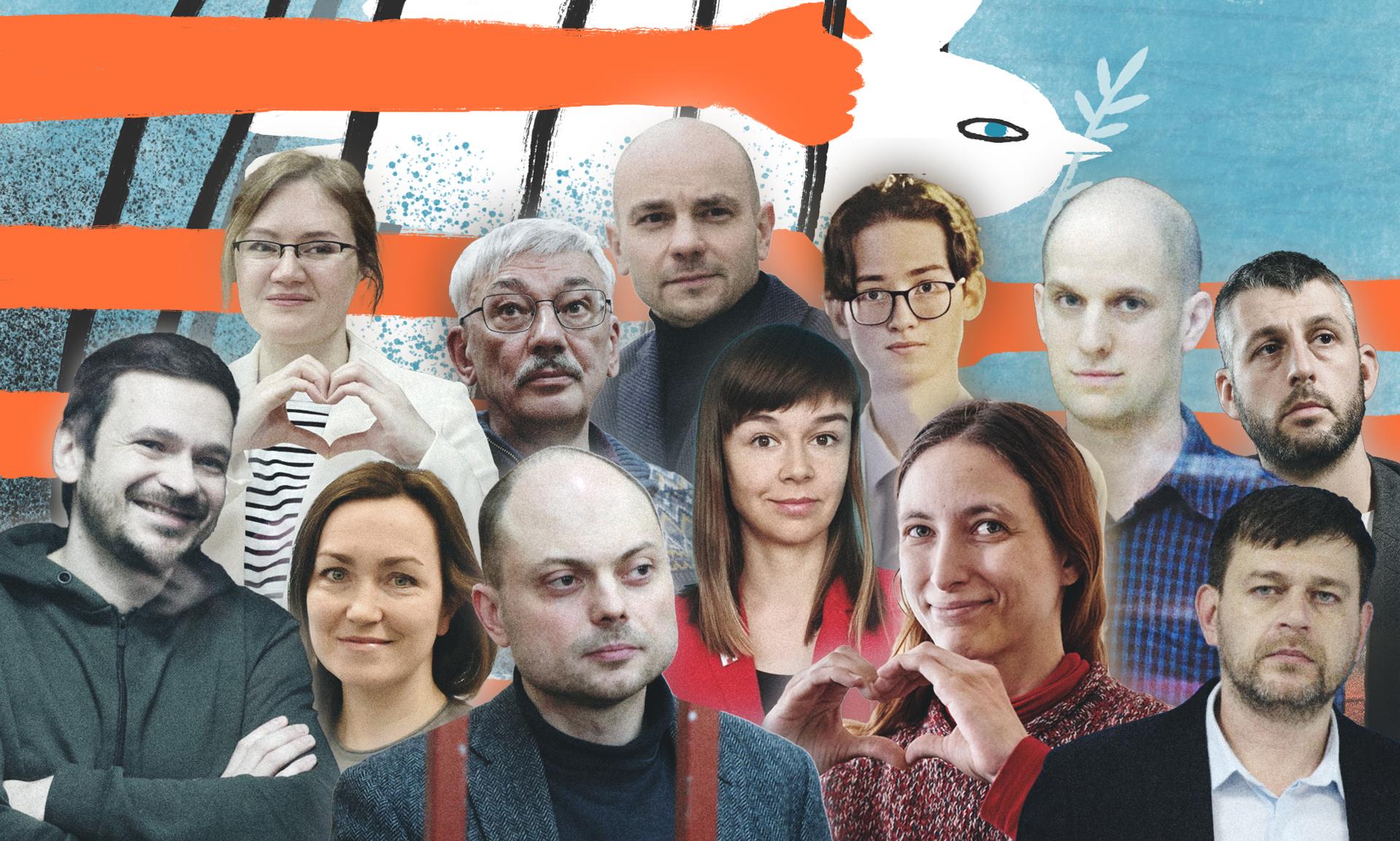
I am sure that many of you followed the shocking news yesterday about the prisoner swap that saw 16 political prisoners being held in Russia. We are currently live tweeting the exiles’ press conference you can read it here.
|
For me, this news is quite personal. In the past, I have met some of the dissidents who were exchanged. Their jailing, especially those of US journalists Evan Gershkovich and Alsu Kurmasheva shook me to the core. I am overjoyed that they are now free from the horrific repressive machine of the Kremlin. |
However, I am also cautious. The exchange might signal the beginning of a much darker era in which the Kremlin will take hostages whenever it wants to achieve anything. I discuss this in further detail in my Moscow Times op-ed so you can read that if you’d like to learn more. In short, I argue that this exchange should be the first step towards more robust support of Russian civil society.
|
You might be asking yourself — how can I possibly support Russian dissidents still in Russia? But there are plenty of options. You can write letters to political prisoners, donate to NGOs, pressure your policy makers to support Russian exiles and much more. Just don’t relent — and then the exchange will not go in vain. |
You might be asking yourself — how can I support Russian dissidents still in Russia? But there are plenty of options. You can write letters to political prisoners, donate to NGOs, pressure your policy makers into supporting Russian exiles and much more. Just don’t relent — and then the exchange will not go in vain. |
|
|
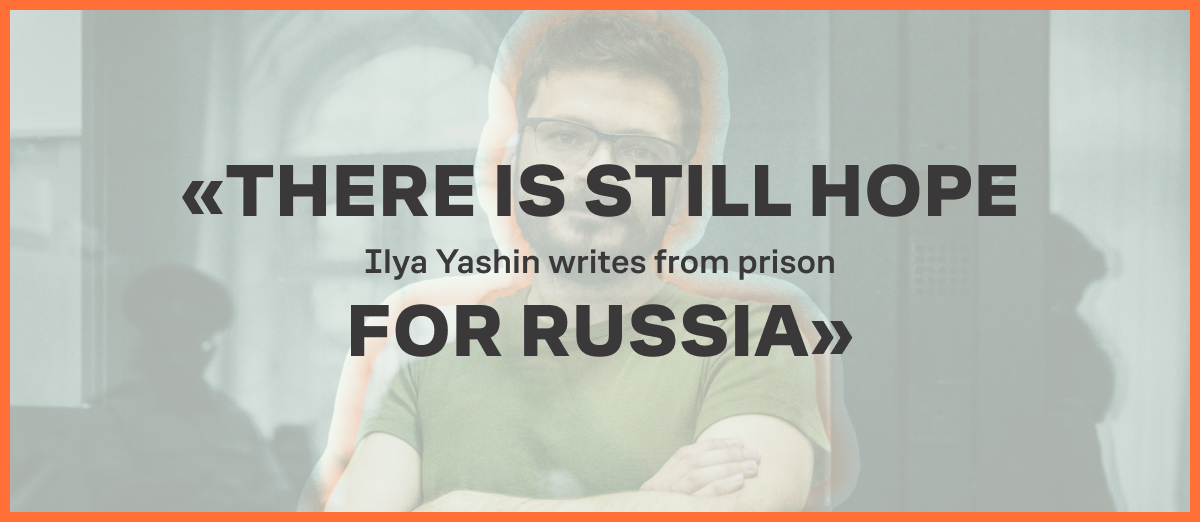
Ilya Yashin is a Russian politician, one of the dissidents exchanged yesterday. Over a year ago we interviewed him, while he was already in custody. Read it here. |
|
|
One of OVD-Info’s main priorities is helping political prisoners. Today I want to show you what kind of things political prisoners ask for when imprisoned. Here are a few short profiles of political prisoners and their support requests.
|
|
|
Ilya is an IT specialist and a well-known educator in ethical hacking, he is also known as Arvi Hacker. In May of last year, Vasiliev’s phone was confiscated as part of an administrative case on discrediting the army. A year later, he was detained: anti-war posts were allegedly found on his phone, which became the basis for initiating a criminal case for “fakes” against the Russian military. |
“Patriots help their fellow compatriots. If you have encountered a compatriot who wishes you and other Russians evil, attacks your rights guaranteed by the Constitution — try to leave the country, don’t end up in prison. And to those who remained in Russia, like me — I send rays of support!” — Ilya writes from prison. |
All Ilya is asking for now in terms of support are letters. They are of vital importance in prison as they allow dissidents to keep their humanity and contact with the outside world. |
|
|
I already covered Gregory in greater detail in Digest #56. He is well-worth learning more about — a defiant animal rights and eco activist with a story as tragic as it is inspiring. |
Gregory was sentenced to three years in prison for his anti-war social media posts: one about the Bucha massacre and eight reposts about the shelling of the Mariupol drama theater. |
Winter has diabetes, and his jailers provide little to no medication. The cell in his pretrial detention center was so cold that Winter lost hearing in one ear. |
Gregory is asking for letters and he also needs clothes and shoes: three black cotton T-shirts without a pattern, size 56, and thick, black rubber flip-flops, size 43-44. |
|
|
The court sentenced Igor to 7.5 years in prison for anti-war statements.
|
While at university, Igor began to think a lot about the meaning of life. Having dropped out of the polytechnic university, he went to an abandoned farm in a remote village and lived there with a friend as a hermit, studying religious literature.
|
Like many other prisoners, he wants letters. In addition to religion, Orlovsky is interested in speleology (the study of caves) and writing, but for now he would like to talk about spiritual topics.
|
You can write these three and many other political prisoners via our letter across borders platform. Donating objects might be difficult to do from abroad so you might consider donating to a human rights NGO instead. |
|
|
Indigenous rights activism |
| |
The Russian Federation inherited one of the largest empires in world history. Arguably, the country is still set up much like a land empire of old. Extractive industries suck oil, gas and precious metals from remote corners of Russia — this wealth does not bring much benefit to the indigenous regions where it is extracted, instead Moscow and St Petersburg grow fat and rich. Non-Slavs are often mistreated and harassed by security services, rights in Muslim regions are violently suppressed… the list goes on.
|
|
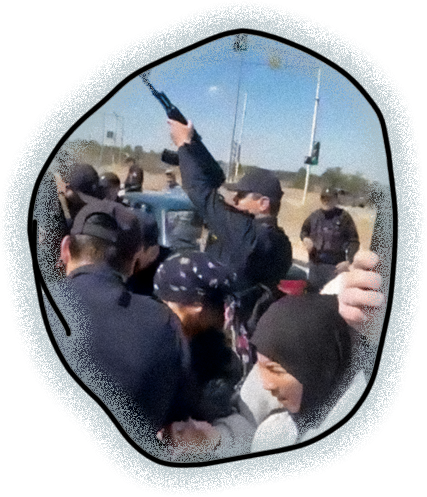
The police firing shots in the air to disperse a crowd blocking a road in response to mobilization, Republic of Dagestan, 25 September 2022 / Screenshot from video |
|
|
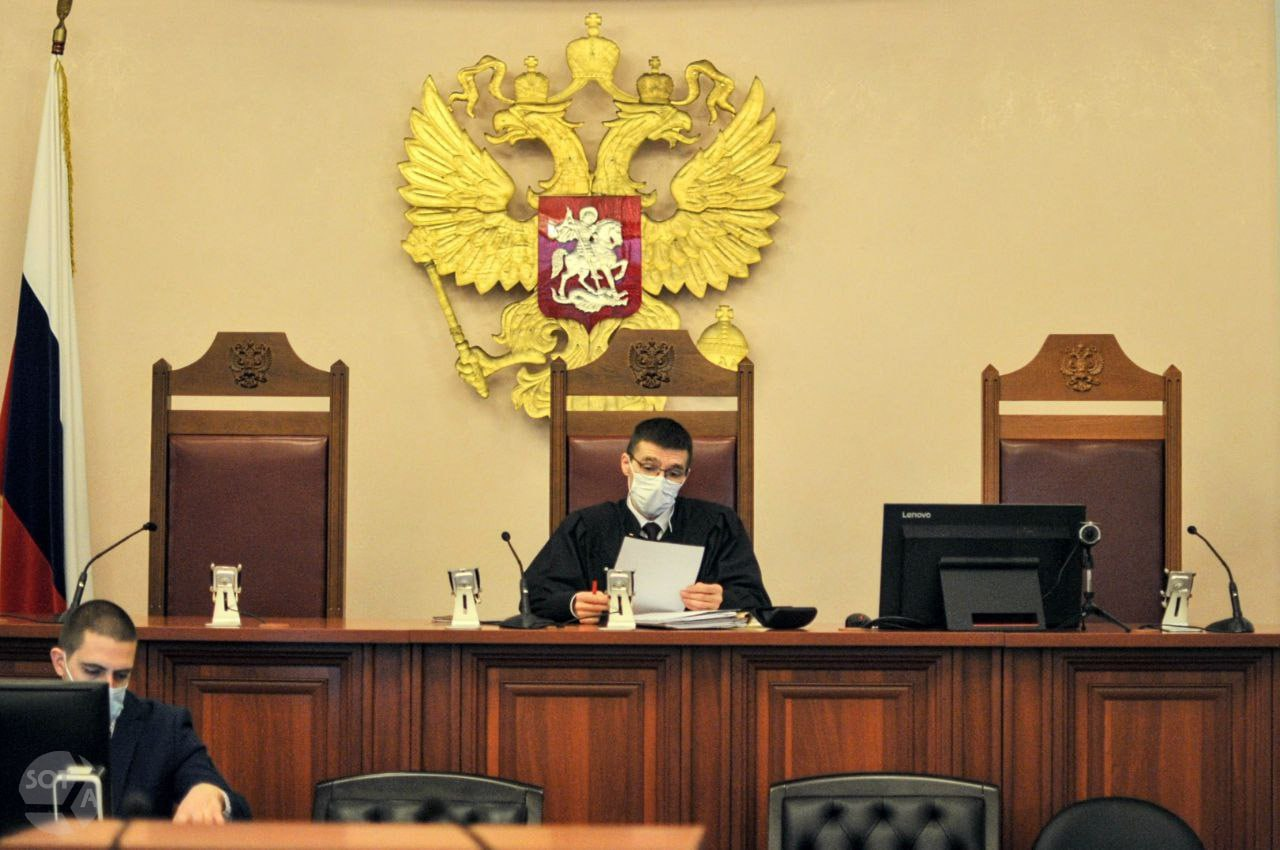
Kremlin policymakers seem to be well aware of these imperialist issues — because they are increasingly tightening the screws on all sorts of indigenous rights activists, day by day heightening the aggressiveness of their measures. On 7 June, Russia’s Supreme Court recognised the non-existent “anti-Russian separatist movement” as an “extremist organization”. This echoes a similar earlier ruling on the also non-existent “international LGBT movement”. The Kremlin uses these designations so that then it can accuse activists it deems dangerous of being a part of these madе up entities.
|
|
|
Supreme Court judge Oleg Nefedov, who ruled on banning the “anti-Russian separatist movement” and the “international LGBT movement” / Photo: SOTAvision
|
|
|
And there are plenty of activists to target. The Kremlin’s imperialist policy has created various forms of anti-colonial resistance. There are hundreds of activists throughout Russia and the world. They fight for minority language rights, advocate for equal treatment, protest for more authority, and preserve indigenous traditions. Some of these movements and activists have been around for many years, but the 2022 full-scale invasion inspired countless new initiatives.
|
On 26 July, the decolonial movement suffered another blow from Kremlin lawmakers. 54 indigenous rights organizations were proclaimed “extremist” as a part of the supposed “separatist movement”. This impacted large organizations and small teams alike. This designation is not just a label — it is specifically designed to push organizations out. “Extremists” cannot legally operate and fundraise in Russia which will predictably mean destruction for organisations still in the country. This is a part of a larger trend with the Kremlin gradually destroying alternative viewpoints that don’t align with its authoritarian, and arguably imperial, model.
|
|
|
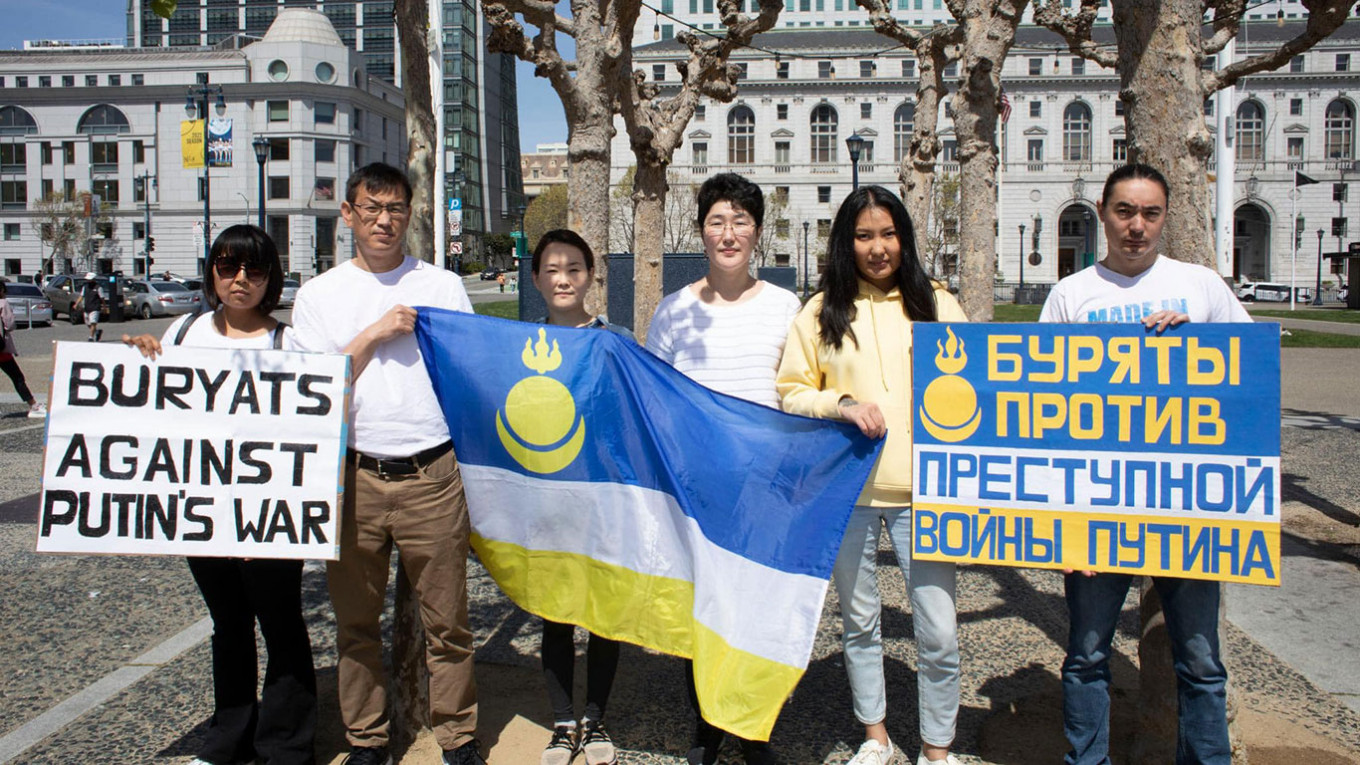
Free Buryatia Foundation activists protesting the war in Ukraine, San Francisco, U.S. / Photo: Alexandra Garmazhapova’s Facebook |
|
|
Now it is paramount that the west keeps its eyes on indigenous rights activism in Russia. After all, indigenous rights were the spark that lit the largest protest in 2023, the Baymak uprising, which I covered in Digest #40. The movements who will have to leave Russia will need shelter and platform abroad, and the decolonial initiatives will need financial support. In our reading list I will link to articles from journalist Leyla Latypova that outline Russia’s indigenous rights movement in more detail.
|
| |
Please answer our questionnaire so we can better understand our audience! |
|
|
Sources cited in the reading list are not necessarily aligned or in a formal partnership with us. It is just what the editor finds interesting. |
|
|
The Digest is created by OVD-Info, written by Dan Storyev & Inna Bondarenko; edited by Dr Lauren McCarthy |
OVD-Info English newsletter privacy policy: how we work with your data |
|
|
|