EXPLAINING THE STRUGGLE FOR HUMAN RIGHTS IN RUSSIA |
|
|
Hello and welcome back to the Digest. And a special warm welcome to those of you who chose to receive this newsletter while using our Letters Across Borders platform. Also, a special welcome to those of you I met in Vietnam! |
Today we are covering the grim developments in our count of people criminally persecuted for anti-war statements and the fate of a biker murdered by security services’ torture. |
In solidarity,
Dan Storyev |
|
|
Trigger warning:
This is a newsletter about Russian repressions. Sometimes it will be hard to read. |
|
|
Donate to OVD-Info to keep us running |
|
|
Over 1,000 criminally persecuted for anti-war activities |
|
|
Since Putin began the full-scale invasion of Ukraine, he has been fighting two wars. One on the frontlines of Ukraine and the other — against Russian anti-war activists in Russia and even beyond.
|
|
|
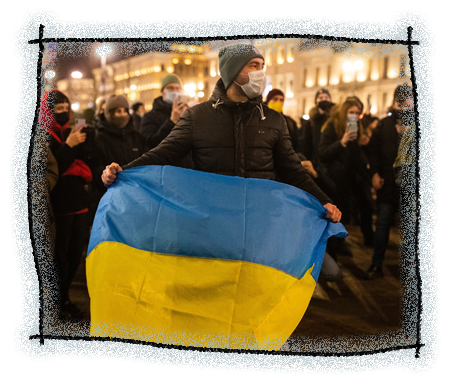
Man holding a Ukrainian flag at an anti-war protest in St. Petersburg on 24 February 2022, the first day of Putin’s full-scale invasion of Ukraine / Photo: David Frenkel, Mediazona |
| The beginning of the war was accompanied by mass protests.
Thousands went onto the streets — and the protests were rapidly put down. It became clear to Russians that mass protests like those we could see in Paris or London simply wouldn’t do much aside from leading them straight into jail. |
|
|
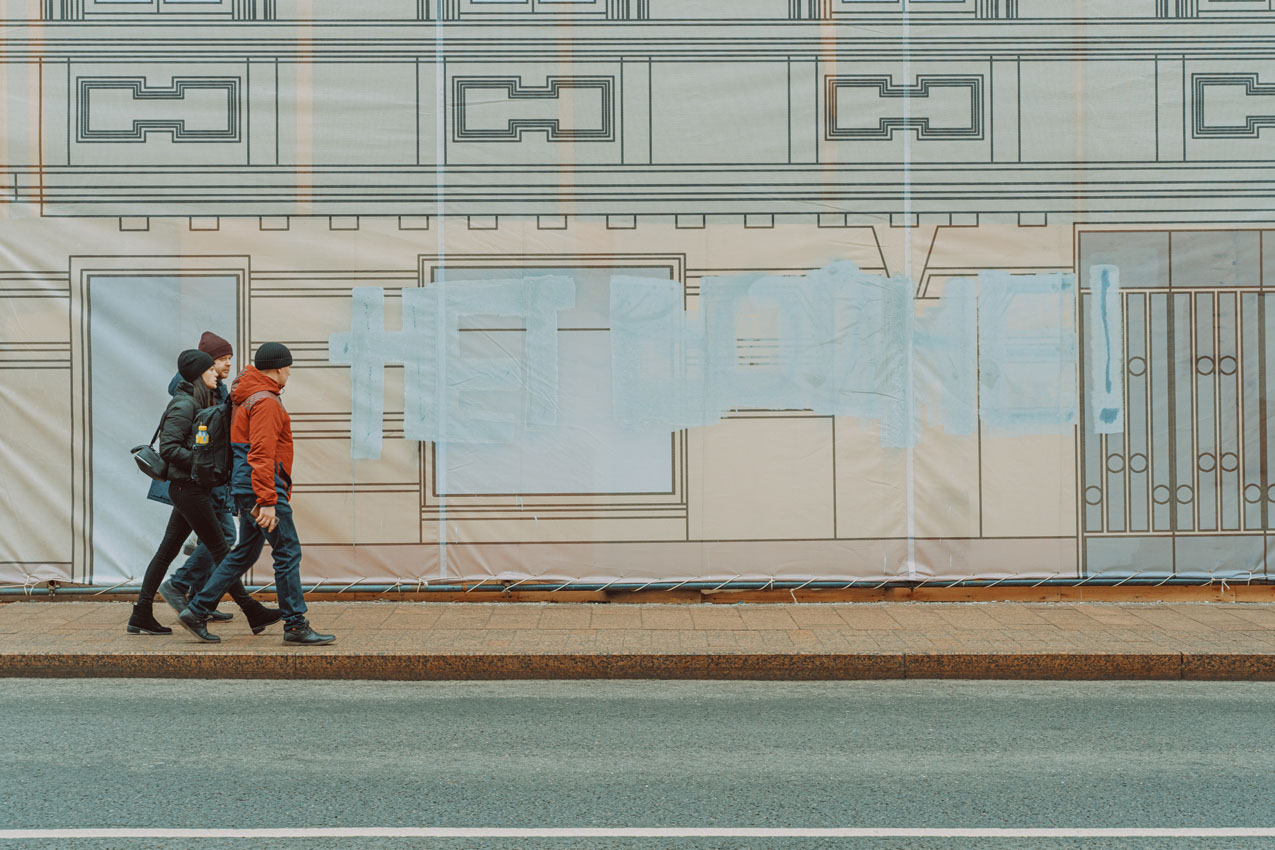
They did not stop protesting, but the forms of protest have transformed. Instead of going onto the streets in easily targetable masses, most opted for more covert actions like graffiti, attacks on military recruitment offices, social media posts and more. I have written about this repeatedly. For an early primer you can read my Financial Times op-ed.
|
|
|
“No to War!” graffiti on the streets of Moscow painted over by authorities, 26 February 2024 / Photo: Natalia Budantseva |
|
|
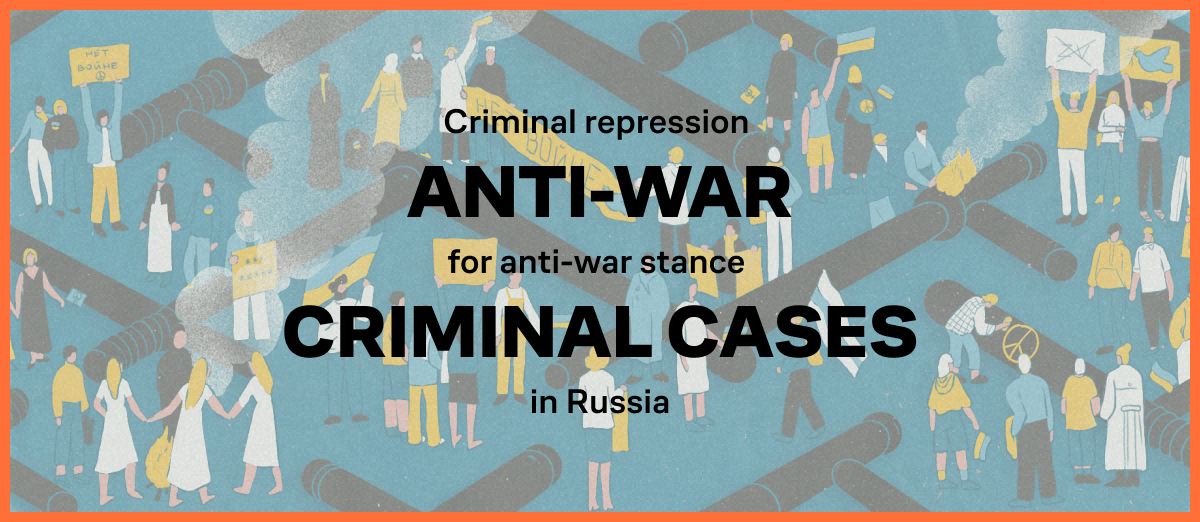
The Kremlin was relentless — even though the anti-war movement has been mostly non-violent, the violence unleashed by the Kremlin’s machine knows no bounds. At OVD-Info, we count the number of people criminally persecuted for anti-war activism. This is one of our key functions. We make sure nobody is forgotten and nobody is facing the Kremlin alone. Last week our count not only reached, but surpassed 1,000. |
|
|
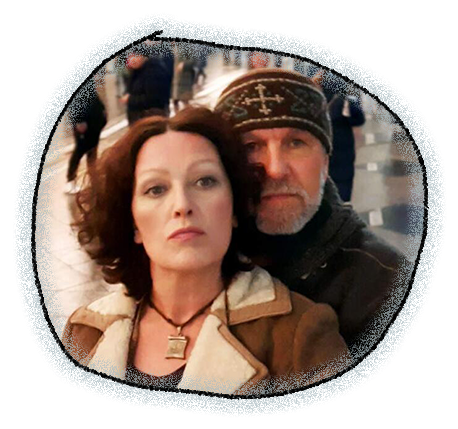
Lyudmila Razumova and Alexander Martynov / Photo courtesy of Lyudmila Razumova |
|
Take the case of Lyudmila Razumova and Alexander Martynov. The couple are small-town activists, who wrote anti-war graffiti on walls in their small town saying “peace for Ukraine”. They got 7 and 6.5 years in jail — for spreading “false information” about the Russian army for the graffiti and social media posts like “Stop the war with Ukraine!”. You can read more about them here.
|
|
|
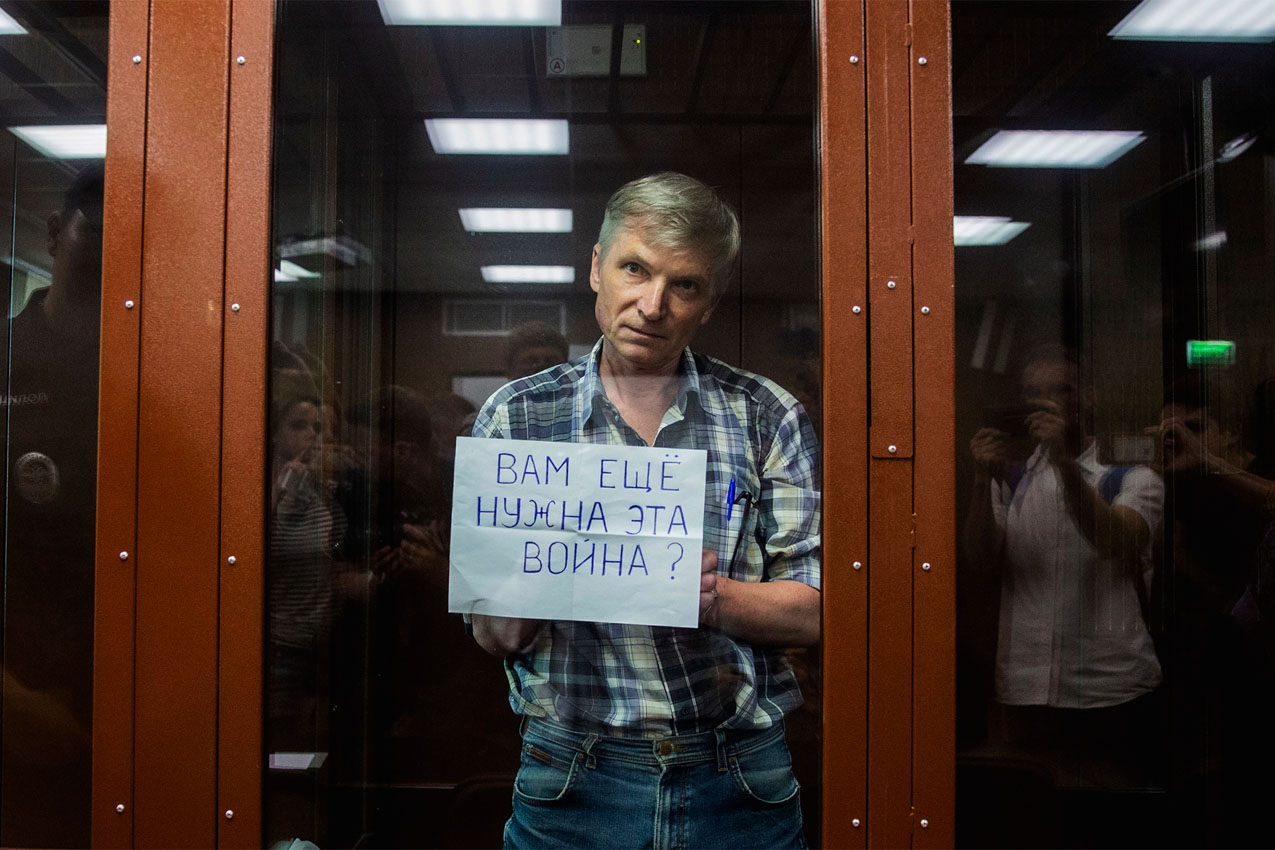
Or, consider Alexei Gorinov — one of the first to be jailed for anti-war resistance. He is a local politician, who spoke out against the war during a meeting of the local legislature. He has been in jail for two years now, sentenced to nearly 7 years for saying that the key goal of civil society must be “stopping the war, pulling out the military, stopping the aggression.” You can read our interview with him here.
|
|
|
Criminally persecution can take many forms. In the 1,000 we have counted people who are listed as defendants in criminal cases launched against them by the Kremlin. At least 294 of them are currently jailed in one way or another — in prison, pre-trial detention or mandatory psychiatric detention—or have already served their sentence. |
Among the criminally persecuted there are people of all walks of life — the anti-war resistance is diverse, it supersedes class, profession, ethnicity. Looking at professions, some of the most targeted professions are obvious, like the 58 journalists and 58 politicians. But there are also professions I did not expect to see — 29 teachers, 4 former security services personnel, 26 blue-collar workers...
|
You can read more about them here |
|
|
Lifeline
Write to Russian political prisoners No one should face injustice alone |
|
|
Last week I covered the pianist who died in custody after being jailed for protesting the war. Unfortunately, this week there is another victim of the Kremlin in the spotlight. Kirill was 38 and born in Ukraine. He died in Zheleznovodsk, Russia — after months of torture and medical negligence. |
|
|
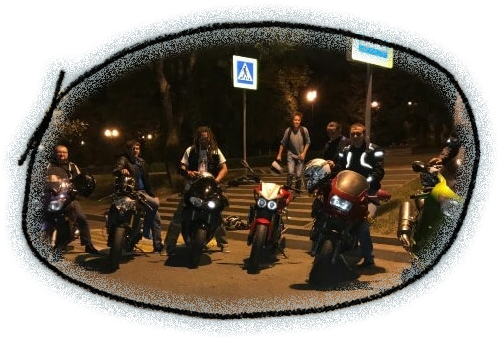
Kirill’s friend group / Photo: Sergei Dudchenko’s Instagram |
|
In autumn of 2022, Kirill was detained, along with two friends, allegedly for planning a terrorist attack. The friends are bikers, just like Kirill. They like motorcycles and guns — and they professed this love in a small group chat, made up of only 8 people. In the chat, there was what one would expect from a group of bikers: memes, discussions of motorcycle mechanics and the like. |
|
|
But it all changed in 2022, when the friends began talking about politics. They mocked Putin’s invasion and supported Ukraine in their rowdy fashion. Here is one of Kirill’s texts in the chat: |
|
|
| Biden, please, fucking kill us all, save us from this torture” |
|
|
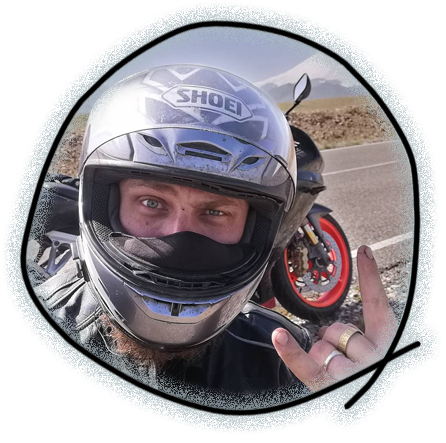
Sergei Dudchenko / Photo: Sergei Dudchenko’s Instagram |
|
Eventually, Kirill and three of his friends were arrested. The group’s leader Sergei Dudchenko seemed like a particularly attractive target for the cops. They confiscated his (legal and registered) home arsenal and got to building a case that the group chat members all planned to commit an arson attack on a military recruitment office. |
|
|
They drugged and electrocuted Dudchenko for hours to get a confession out of him. They got a confession out of Kirill too — that the men were “inspired” by Ukraine’s Azov battalion. |
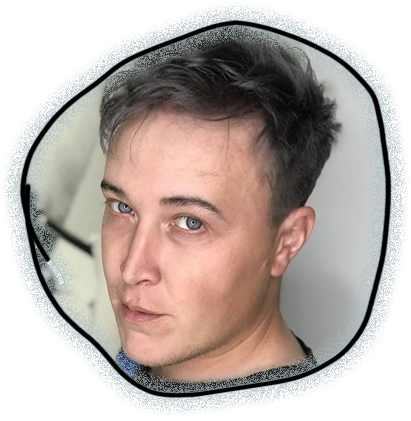
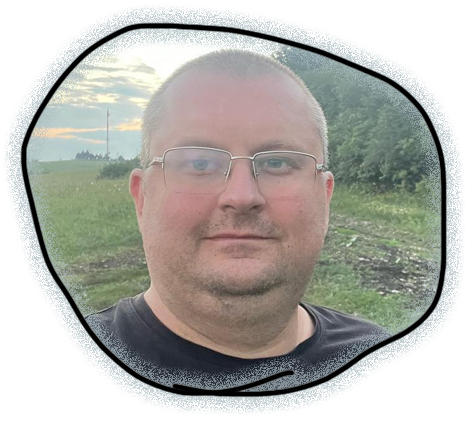
Kirill said he was tortured also. One of the chat members, Vladimir Burmai, an ex-cop himself, managed to flee Russia hours before being brought in. He then crossed into the US through Mexico and now lives in Washington. |
|
|
Vladimir Burmai / Photo: Vladimir Burmai’s social media |
|
Burmai quotes Kirill’s letter to him: “First, they threaten you with violence, in my case they spread bags in the corner of the office, put you on your knees and started playing with a gun, poking it into the back of my head. At the same time, they said that we essentially don’t need you anymore. Literally, I’ll smash your head in right now, bitch.”
|
|
|
While detaining Kirill, the cops also broke his jaw. Perhaps in order to hide the traces of abuse, his jailers didn’t allow Kirill to see a doctor for over a year. Once he was finally allowed a doctor visit, Kirill was allowed to live on house arrest, and get surgery. His entire jaw was amputated. He then passed away while in recovery. |
|
|
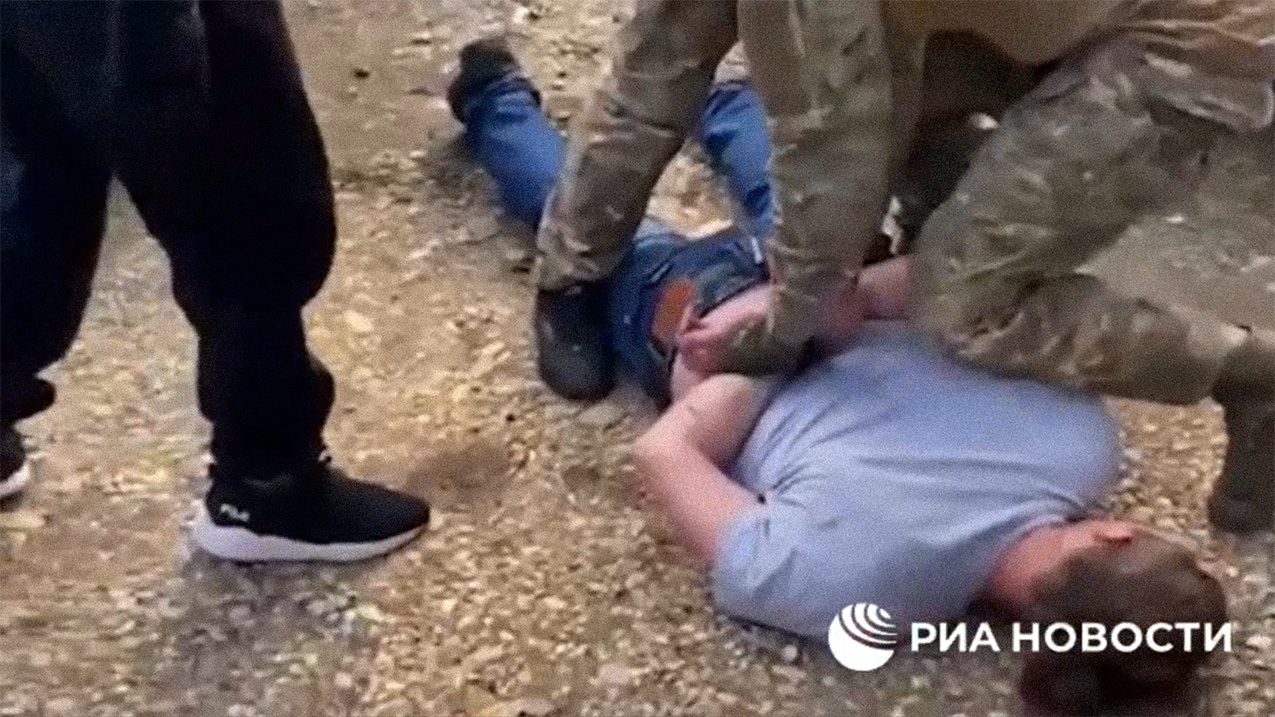
Detention of one of the bikers / Screenshot from the video released by the Federal Security Service |
|
|
In his letter to Burmai, Kirill wrote: “At the initial stage it would have been easy to cure. But you see, they let me rot. They refused to treat me for more than a year, they didn’t even do a histology or biopsy.” |
Despite Kirill’s death, the terror attack case is still being heard in court. Dudchenko was recently sentenced to 7.5 years for allegedly keeping illegal firearms and drugs. Dudchenko reported that he remembers that after being drugged and electrocuted, cops forced several objects into his hands — to fake fingerprints. |
|
|
Please answer our questionnaire so we can better understand our audience! | |
|
Sources cited in the reading list are not necessarily aligned or in a formal partnership with us. It is just what the editor finds interesting. |
|
|
The Digest is created by OVD-Info, written by Dan Storyev & Inna Bondarenko; edited by Dr Lauren McCarthy |
OVD-Info English newsletter privacy policy: how we work with your data |
|
|
|